
Exhibition, Electrik, Manchester, November 2025
Attic Archive, Vol. 1
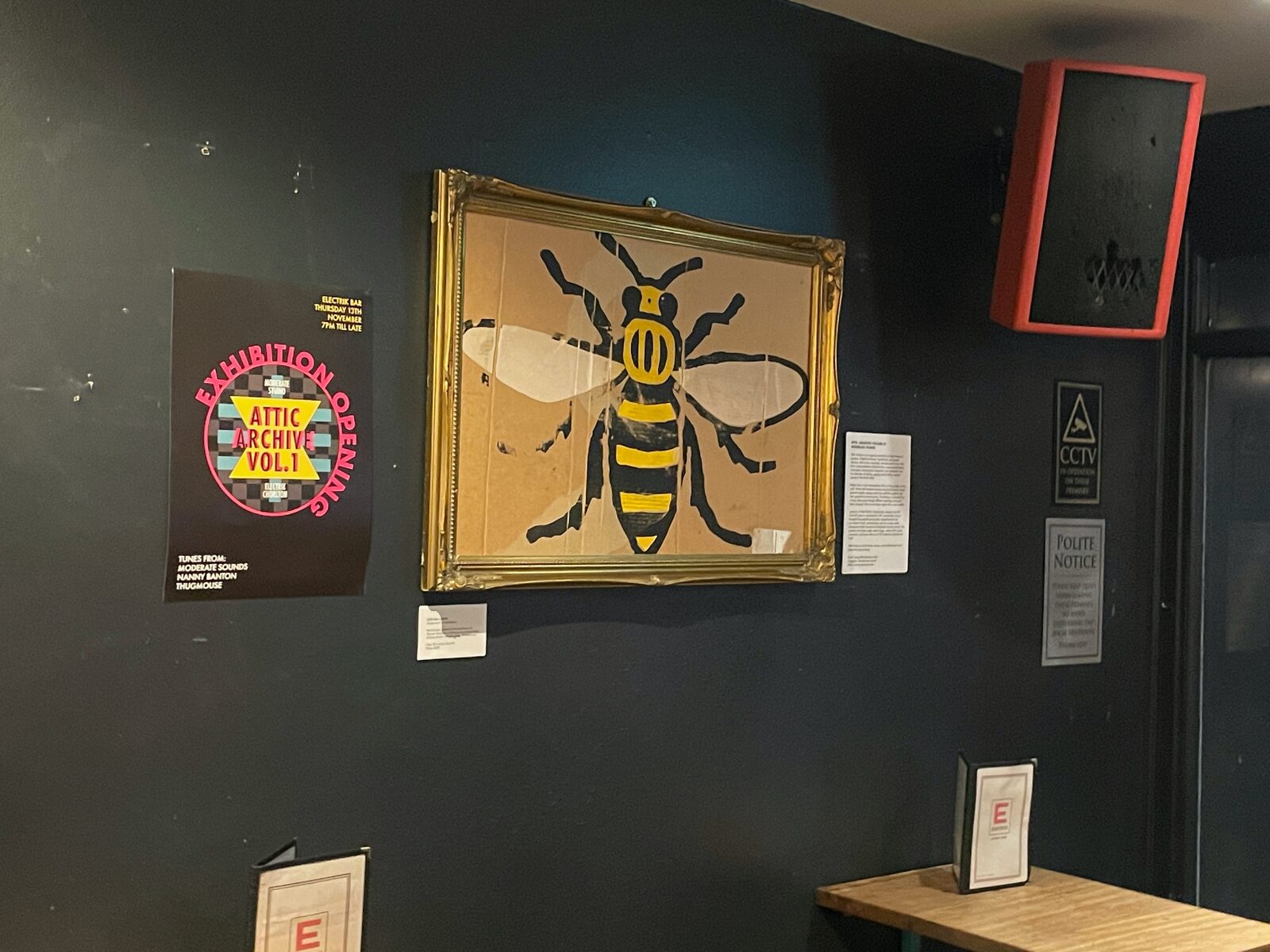
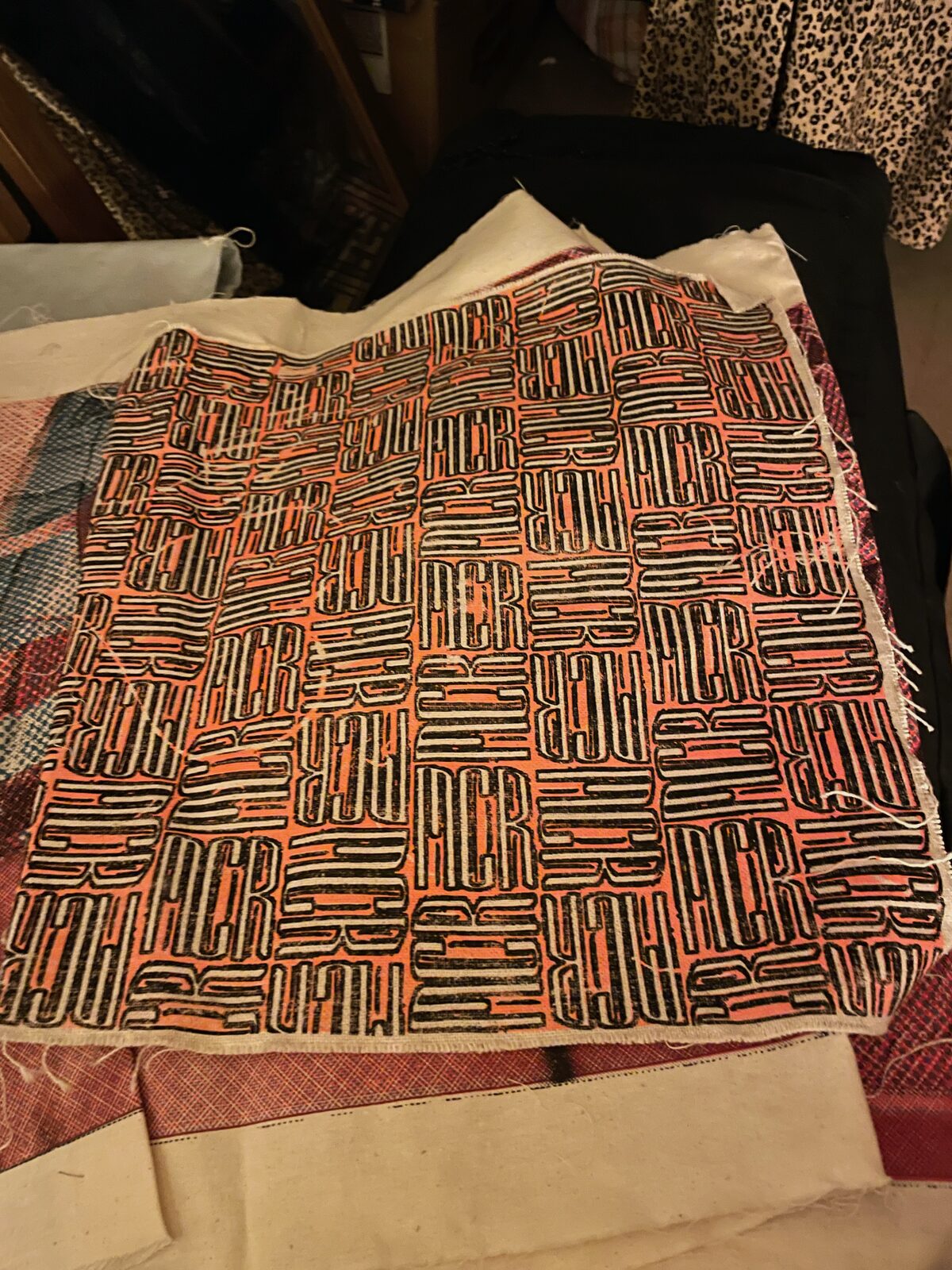
For fifteen years Mark ran one69a, and kept almost everything it made. Prints, acetates, artwork. Thousands of pieces, boxed and stacked in the attic at his parents’ house. The Attic Archive is the long project of opening those boxes back up. Volume one was the first show drawn from it: a set of Mark’s own prints, hung through Electrik in Chorlton for a night, with a set played among them.
The Archive
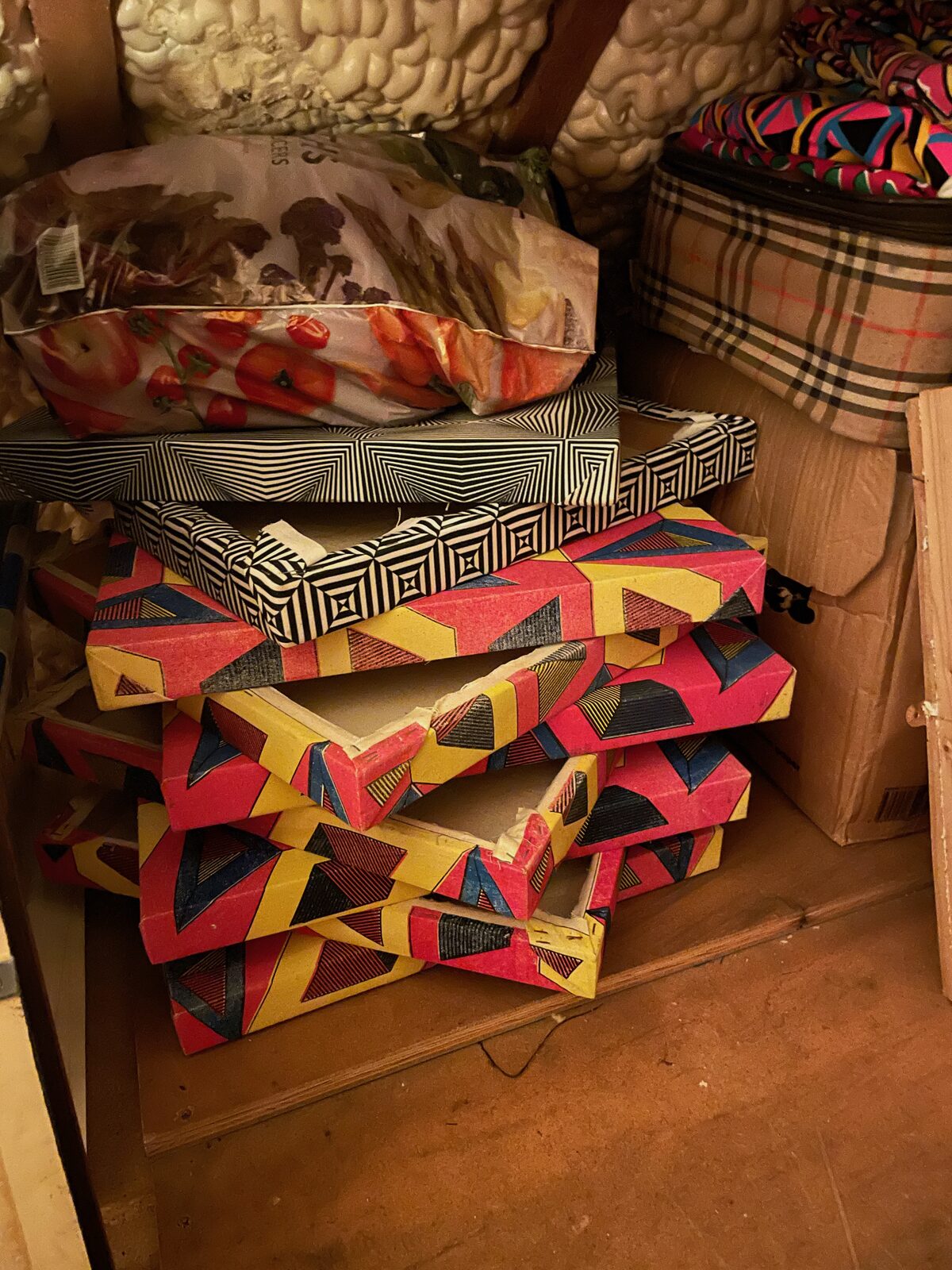
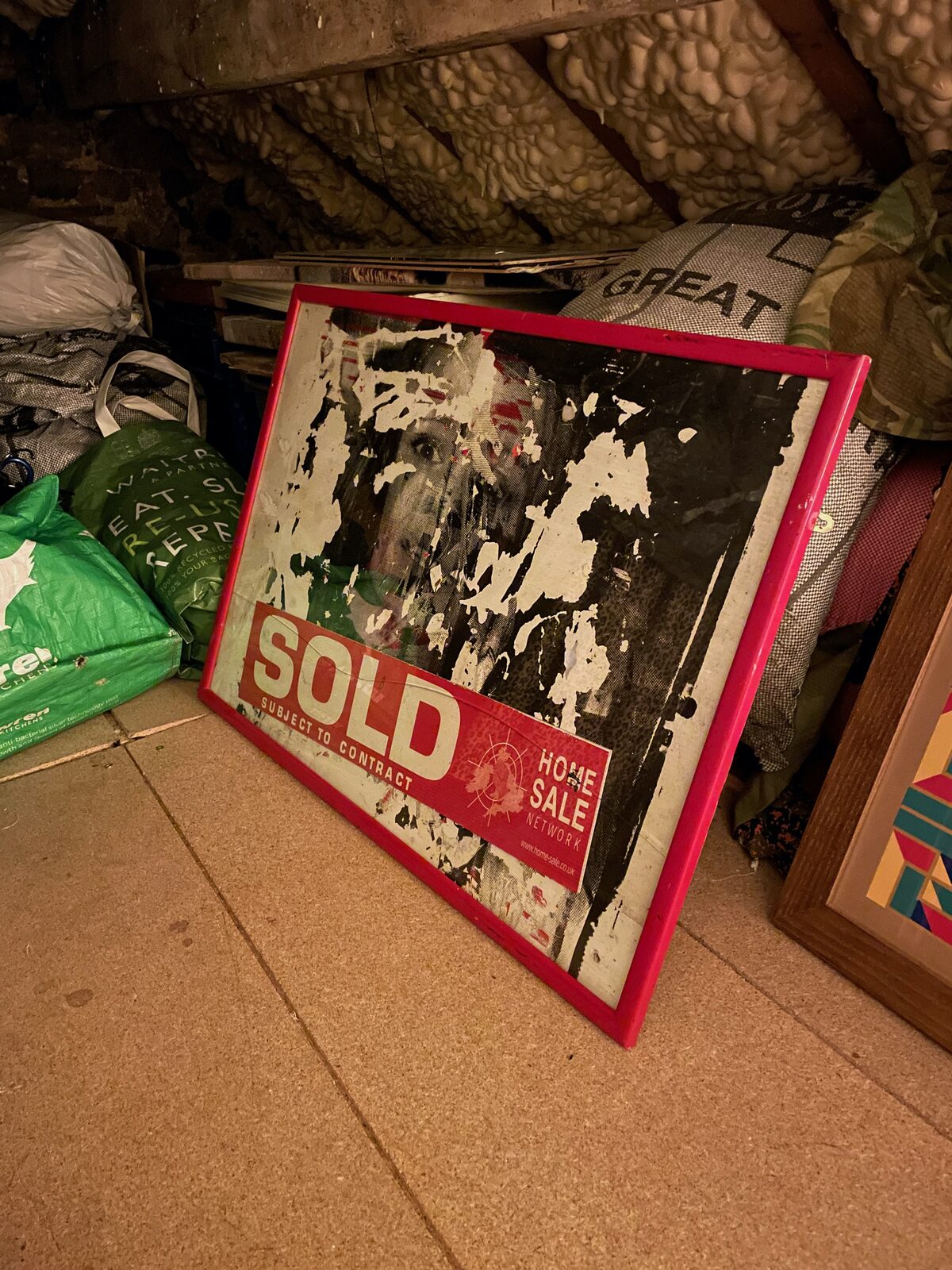
one69a ran for fifteen years, and Mark held on to what it produced. Prints, printing acetates, finished and unfinished artwork. It sits now in the attic of his parents’ house, boxed and stacked, running to thousands of pieces. Kept, but not yet looked at properly. That backlog is the material the Attic Archive works from.
The Plan
The idea is simple to say and slow to do. Photograph, measure and document every piece in the archive. Build that into a record you can actually search and read across. Then use it as raw material: feeding the catalogue through AI to suggest new combinations, new shows, ways the old work could be put back together that would not have occurred otherwise. What the machine proposes, Mark makes by hand and exhibits, under the Attic Archive name.
Volume one came before all of that. It took the archive at face value and showed the work as it already stood. A way to begin.
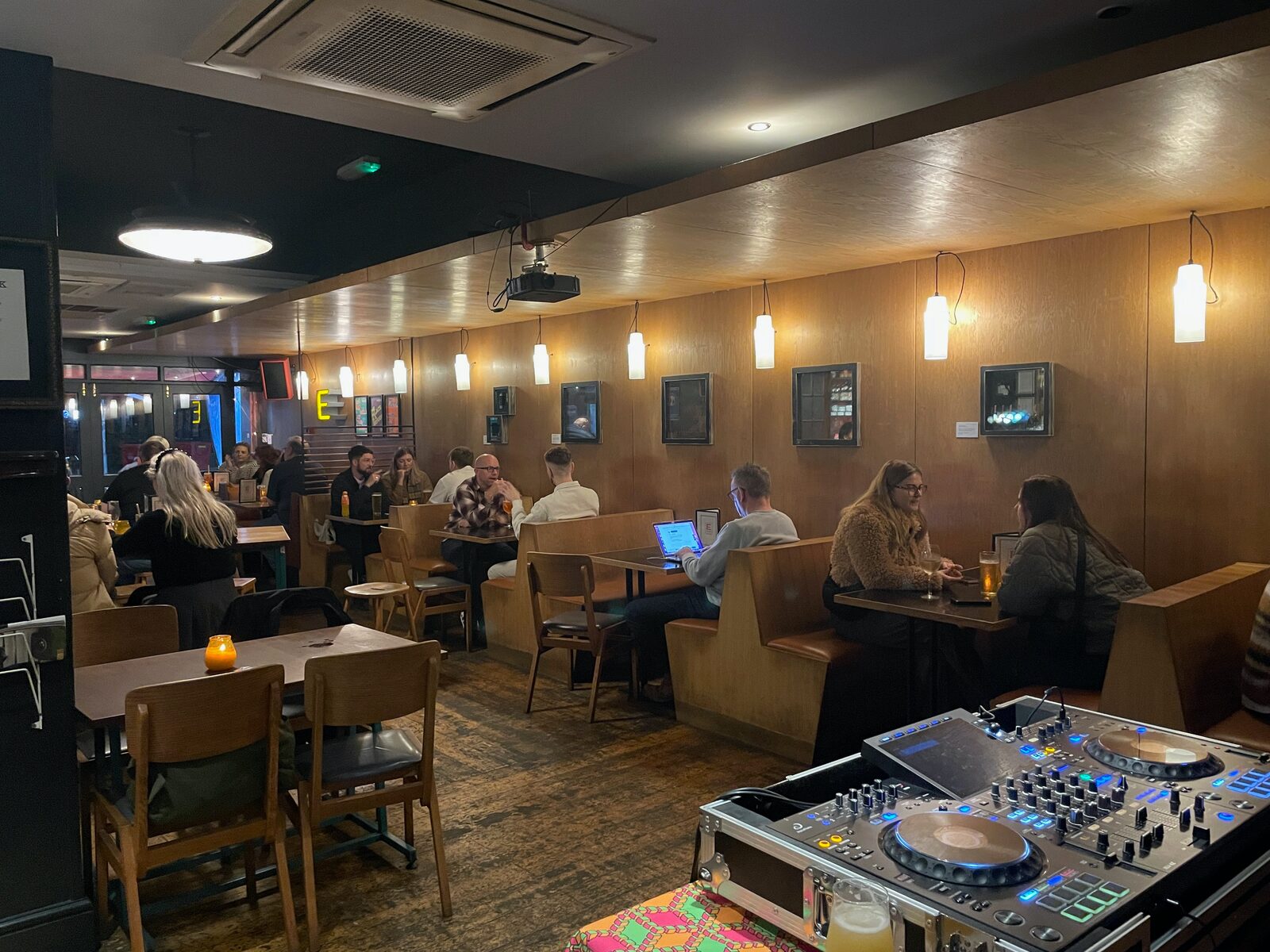
Vol. 1 at Electrik
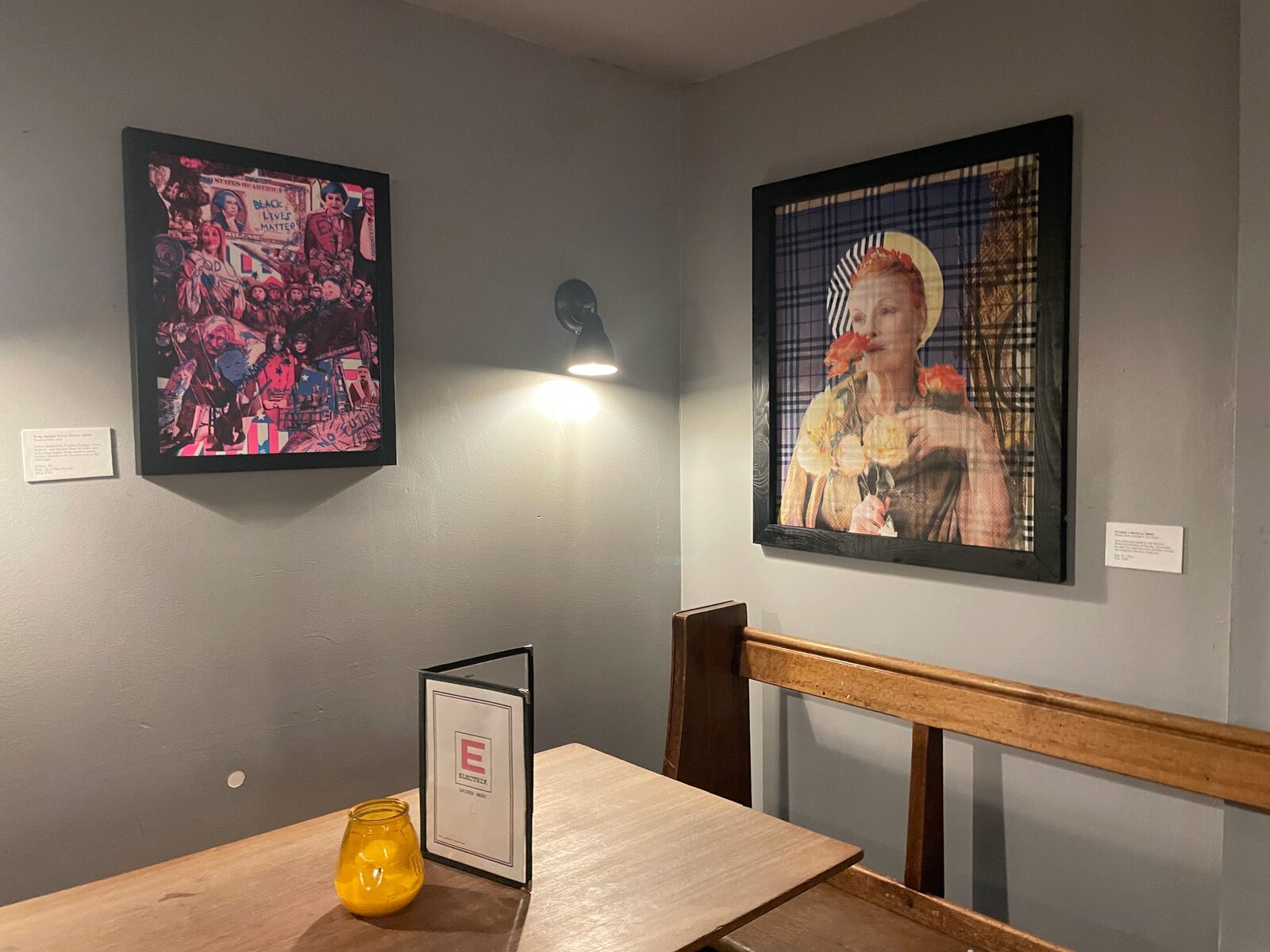
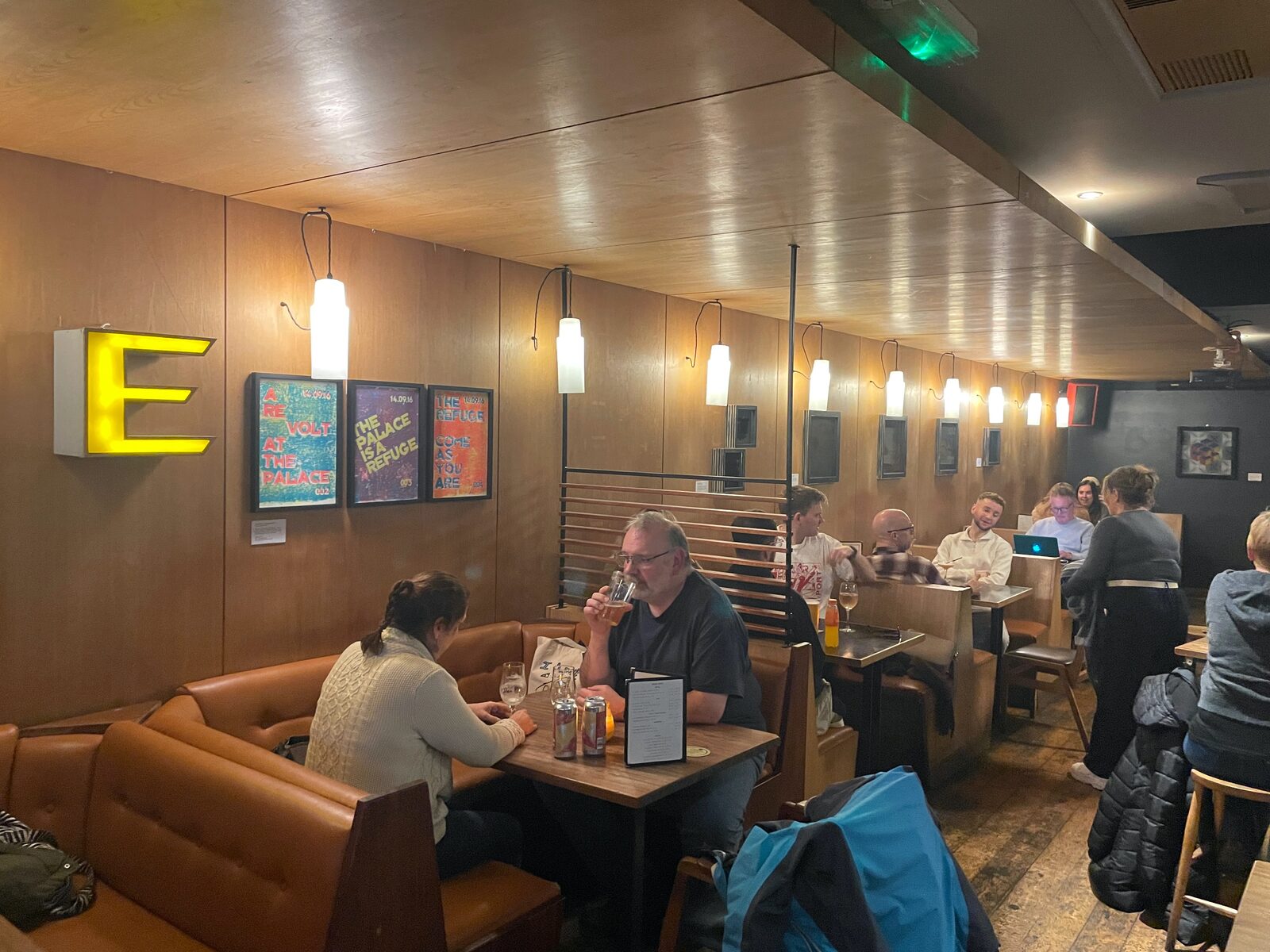
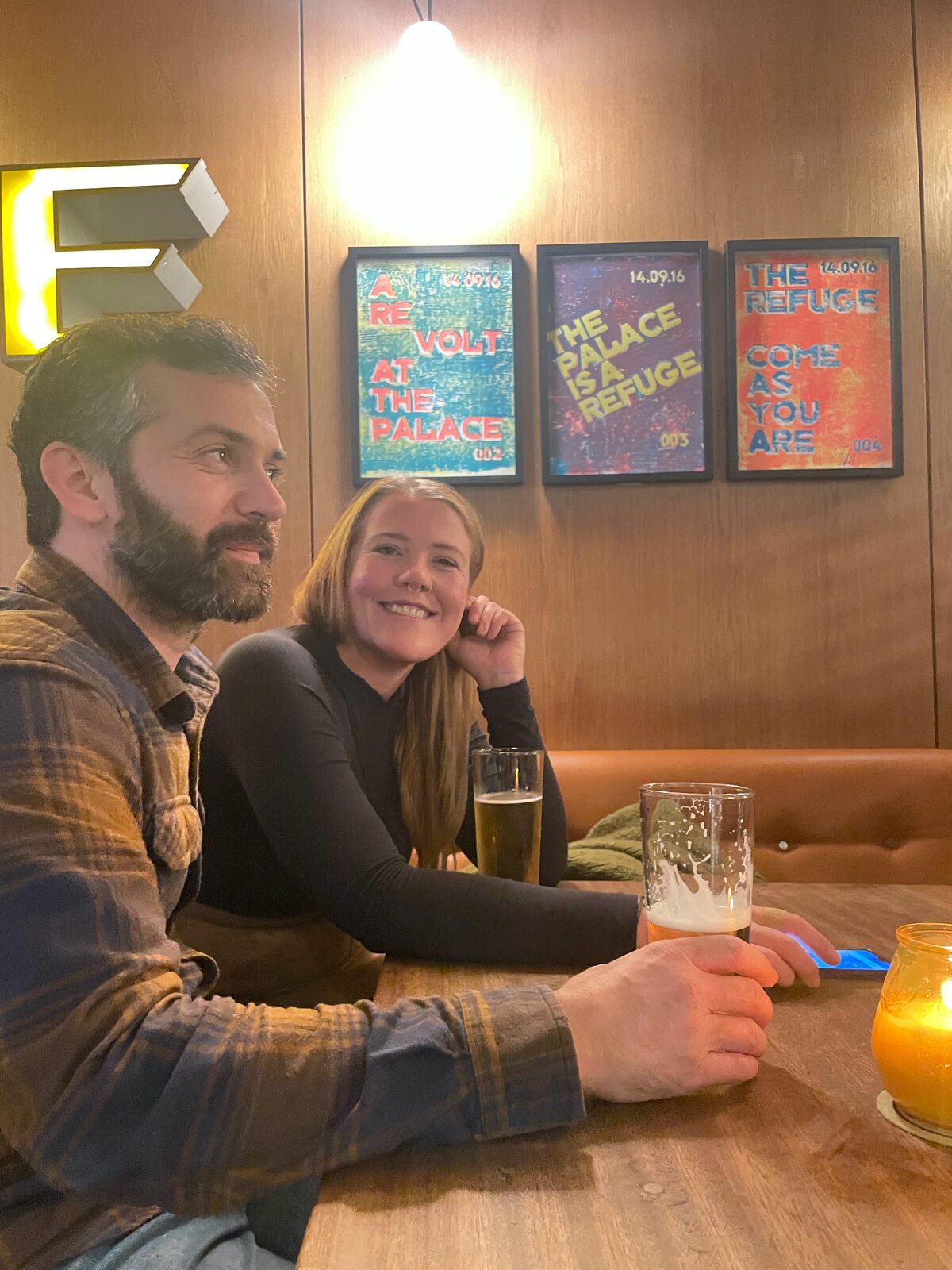
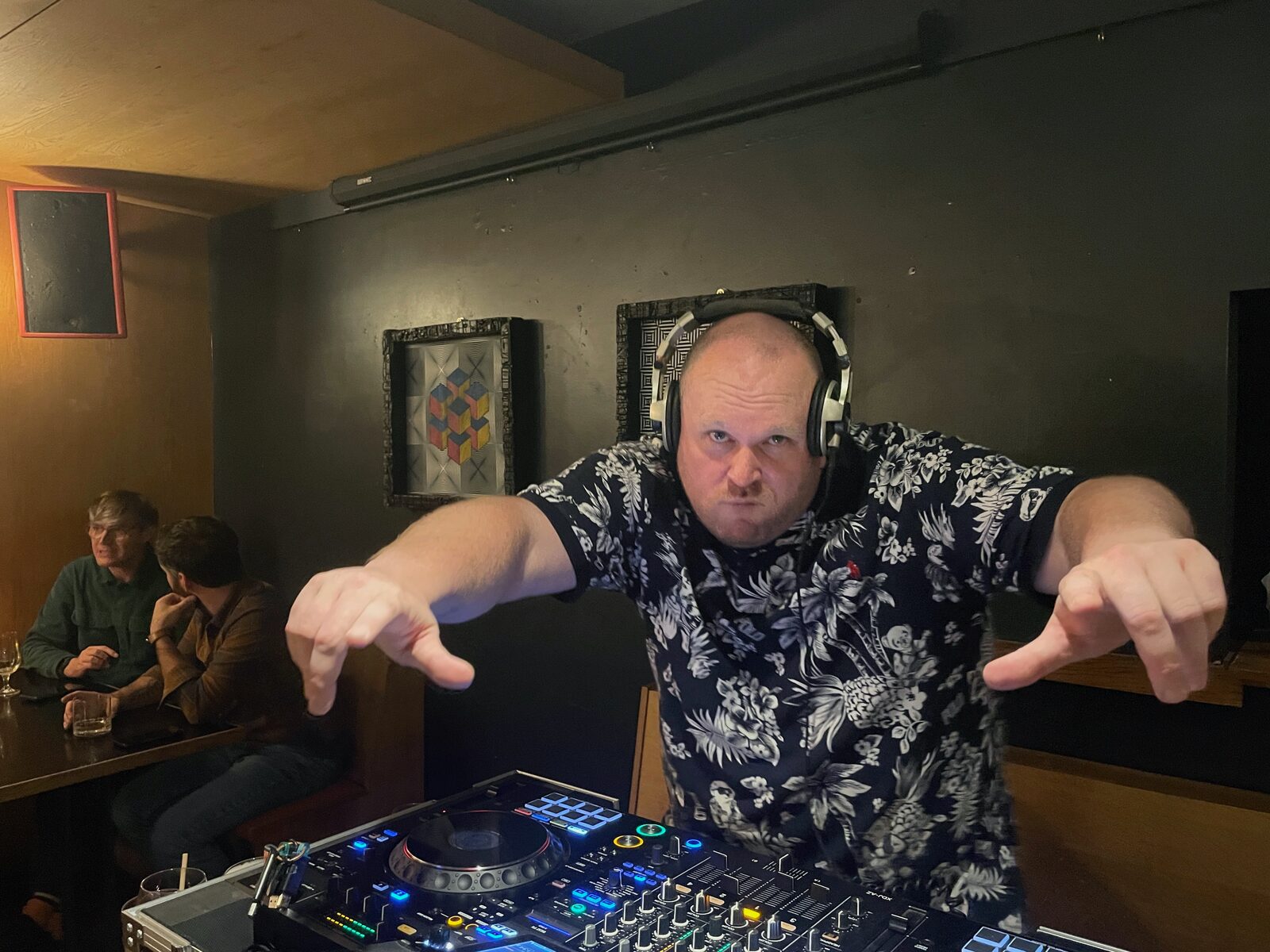
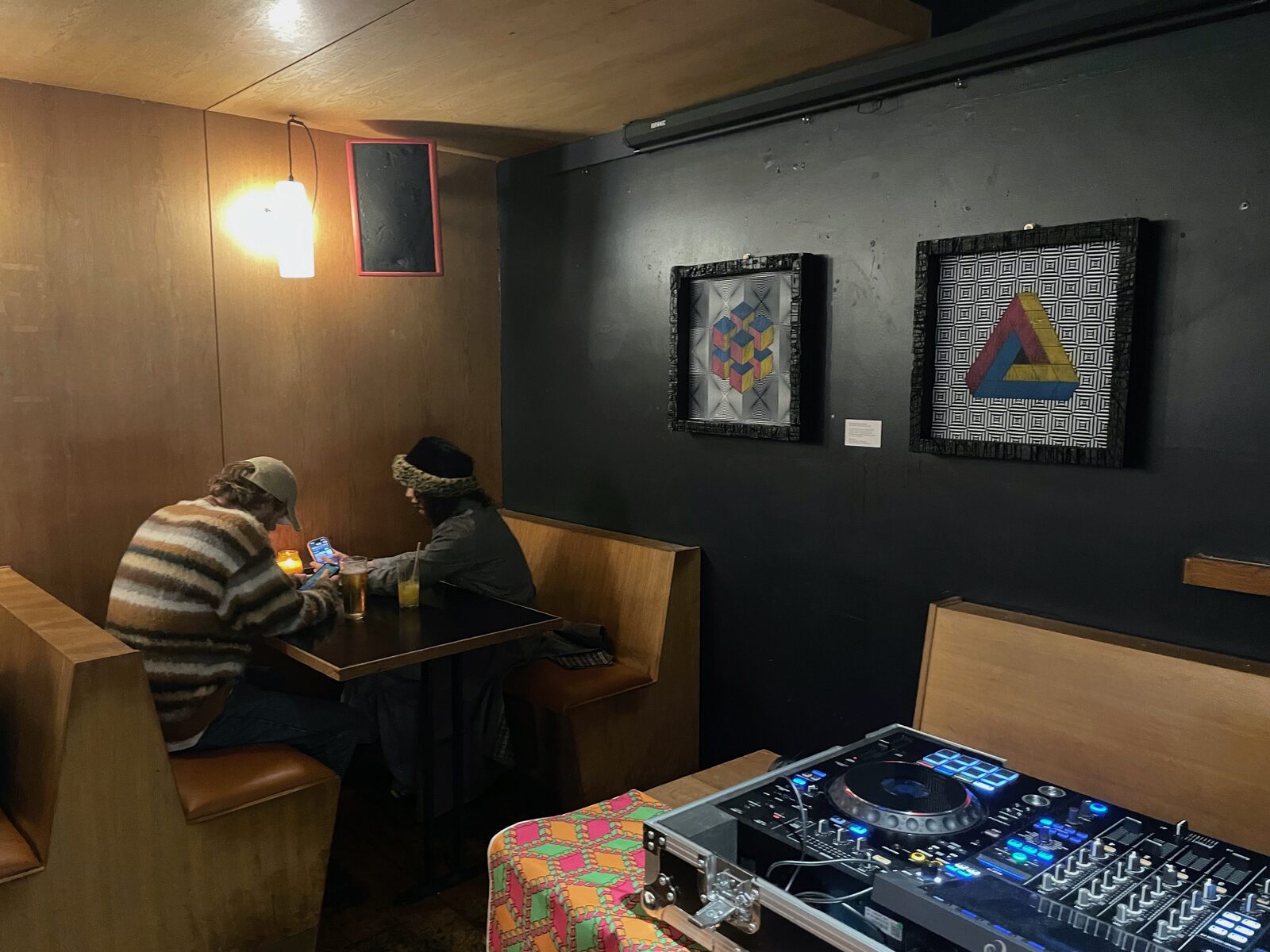
The first show hung through Electrik in Chorlton rather than a white-cube gallery. Framed prints along the walls and in the booths, sat among the tables and the bar. Among them, the prints from the Palace guerrilla campaign, ‘A Revolt at the Palace’ and its companions, back on a wall again. The room stayed a bar for the night, and the work lived in it.
The Opening
Mark played the opening himself, decks set up in the middle of the show, the prints around the room. People came for a drink and stayed with the work. It set the tone for the series: not precious, close to the ground, made to be in a room with people rather than behind glass.
What Comes Next
Vol. 1 used Mark’s own work. The archive holds far more than that, and the documenting is the next real piece of work. As it is catalogued, the later volumes can start to do the thing the project is really for: recombining fifteen years of material into shows that did not exist before.
Follow the Attic Archive
The Attic Archive is an ongoing series. If you run a space that would suit a volume, or you want to follow where it goes next, get in touch.
Questions
What is the Attic Archive?
An ongoing project by Mark Jermyn built from the archive of his former studio, one69a: fifteen years of prints, acetates and artwork kept in his parents’ attic. The plan is to document all of it, then use it as material for new exhibitions.
Where was Attic Archive Vol. 1 held?
At Electrik in Chorlton, Manchester. The prints were hung through the bar for the show, with a DJ set on the opening night.
What is one69a?
The studio Mark ran for fifteen years. Its output, prints, printing acetates and artwork, is the source material for the Attic Archive.
How does the AI part work?
Once the archive is photographed, measured and catalogued, the record can be fed through AI to suggest new combinations and new shows from the existing material. Mark then makes and exhibits those pieces by hand. Vol. 1 came before this stage and showed the work as it already was.
Selected Work