Category: Journal

  • Lockdown looks

    Lockdown looks

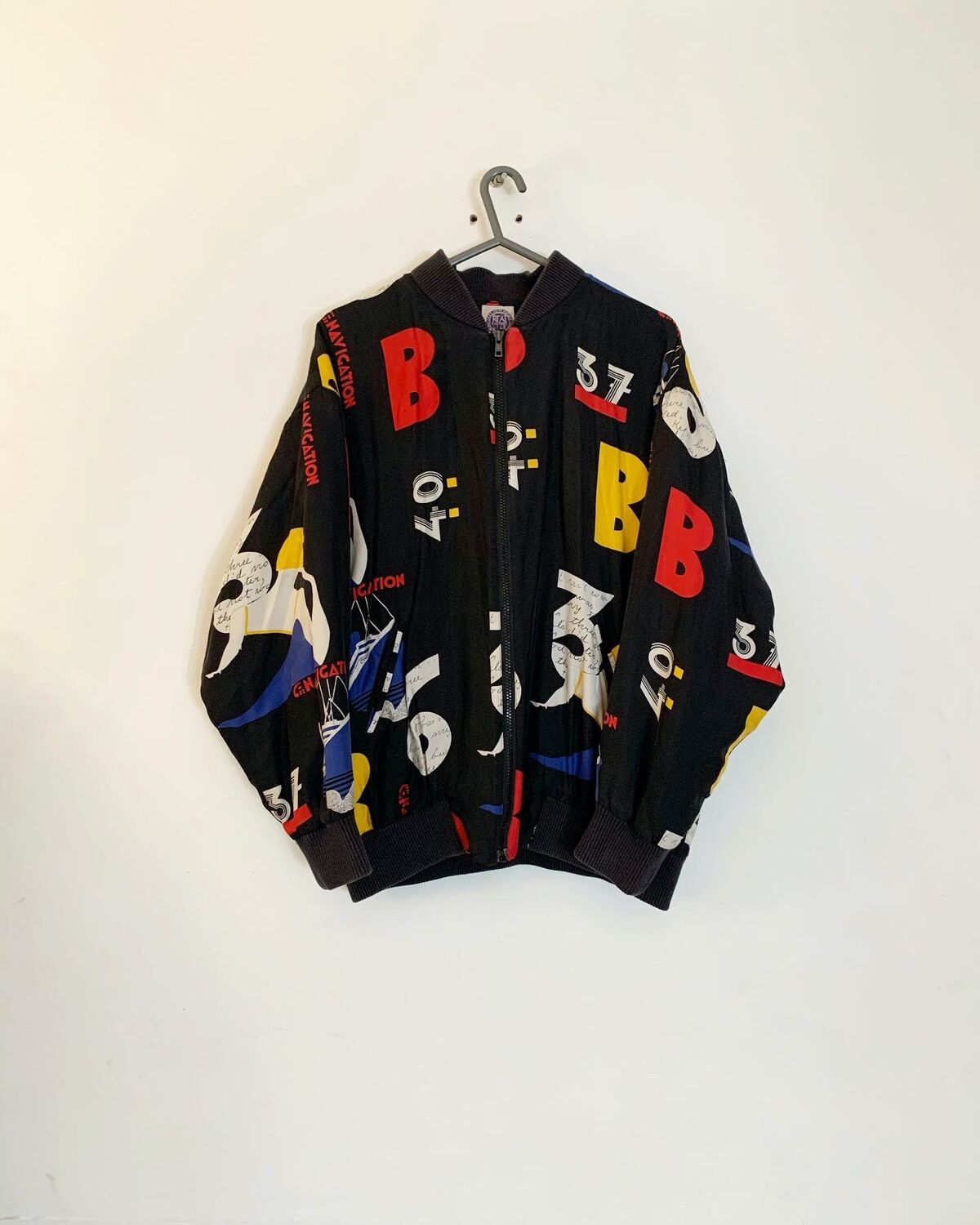
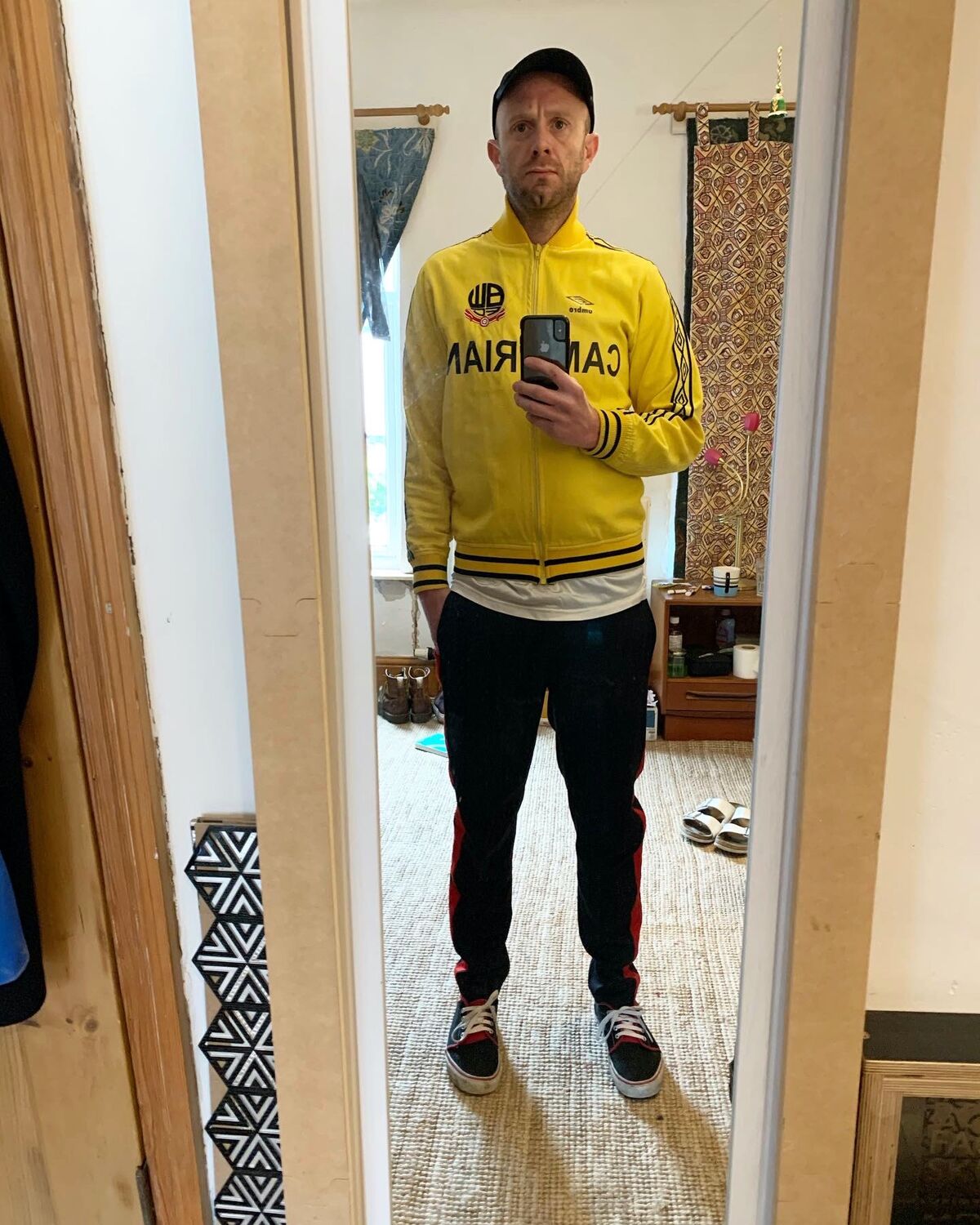
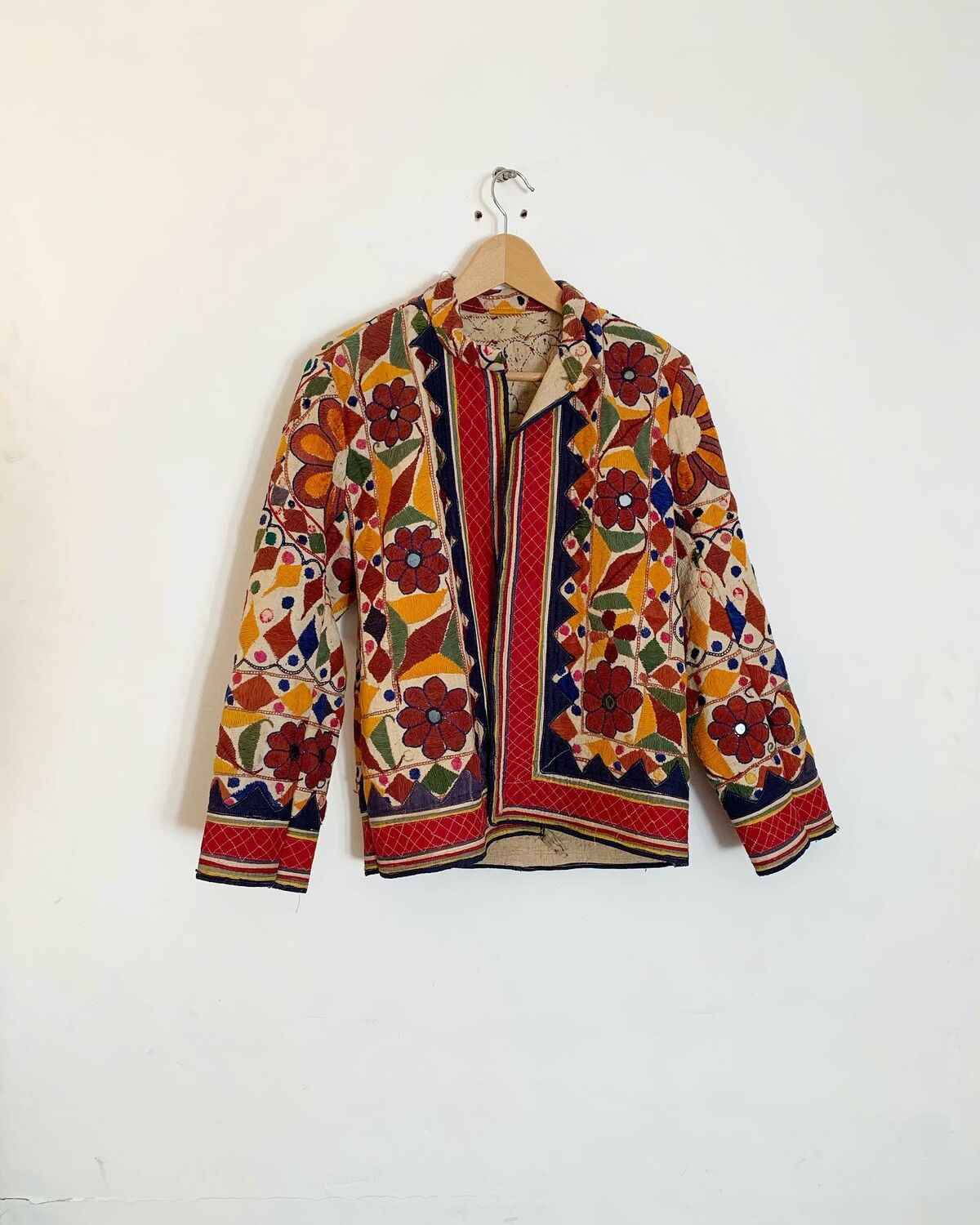
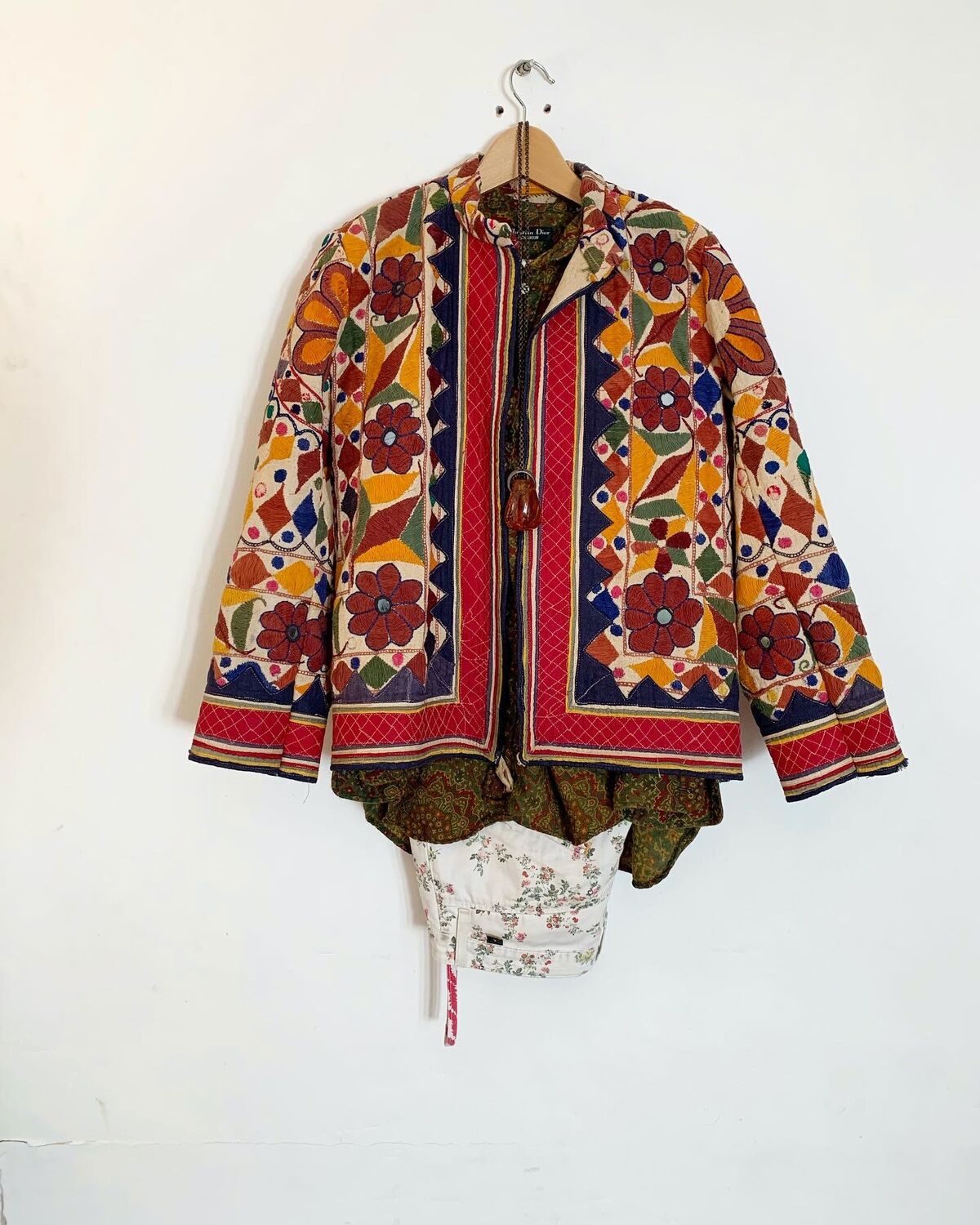
    Through the first lockdown I photographed outfits, dozens of them, the clothes I would have worn if I had been allowed out. Some on the hanger, some in the mirror, a whole run of looks going nowhere: embroidered jackets, football shirts, patched and printed things, all lined up and documented as if getting dressed still had somewhere to go.

    It was half a wardrobe archive and half something to do with the days. When you cannot leave, the outfit becomes the event, and cataloguing them was a way of keeping some sense of occasion going in an empty flat. Looking back, it is a strange, cheerful record of a strange year, a person dressing up for a world that was shut.
    Lockdown looks, Moderate Studio journal, 2020
    Lockdown looks, Moderate Studio journal, 2020
    Lockdown looks, Moderate Studio journal, 2020
  • Don’t stop having fun

    Don’t stop having fun

    A hand-painted banner for the Interactive Arts final show at Manchester School of Art, March 2020. Floor to ceiling in the atrium, reading DON’T STOP HAVING FUN BECAUSE FATE IS A FUNNY THING, black brush letters on white, hung down the full height of the space.

    The show was called All Good Things, marking twenty-seven years of the course. The banner was my bit of it, a big loose piece of writing to hang over the whole thing, the sort of line that reads as a joke and a bit of advice at the same time.

    Don't stop having fun, Moderate Studio journal, 2020
    Don't stop having fun, Moderate Studio journal, 2020

    Part of the Banner for Interactive Arts case study.

  • A wallpaper cracker

    A wallpaper cracker

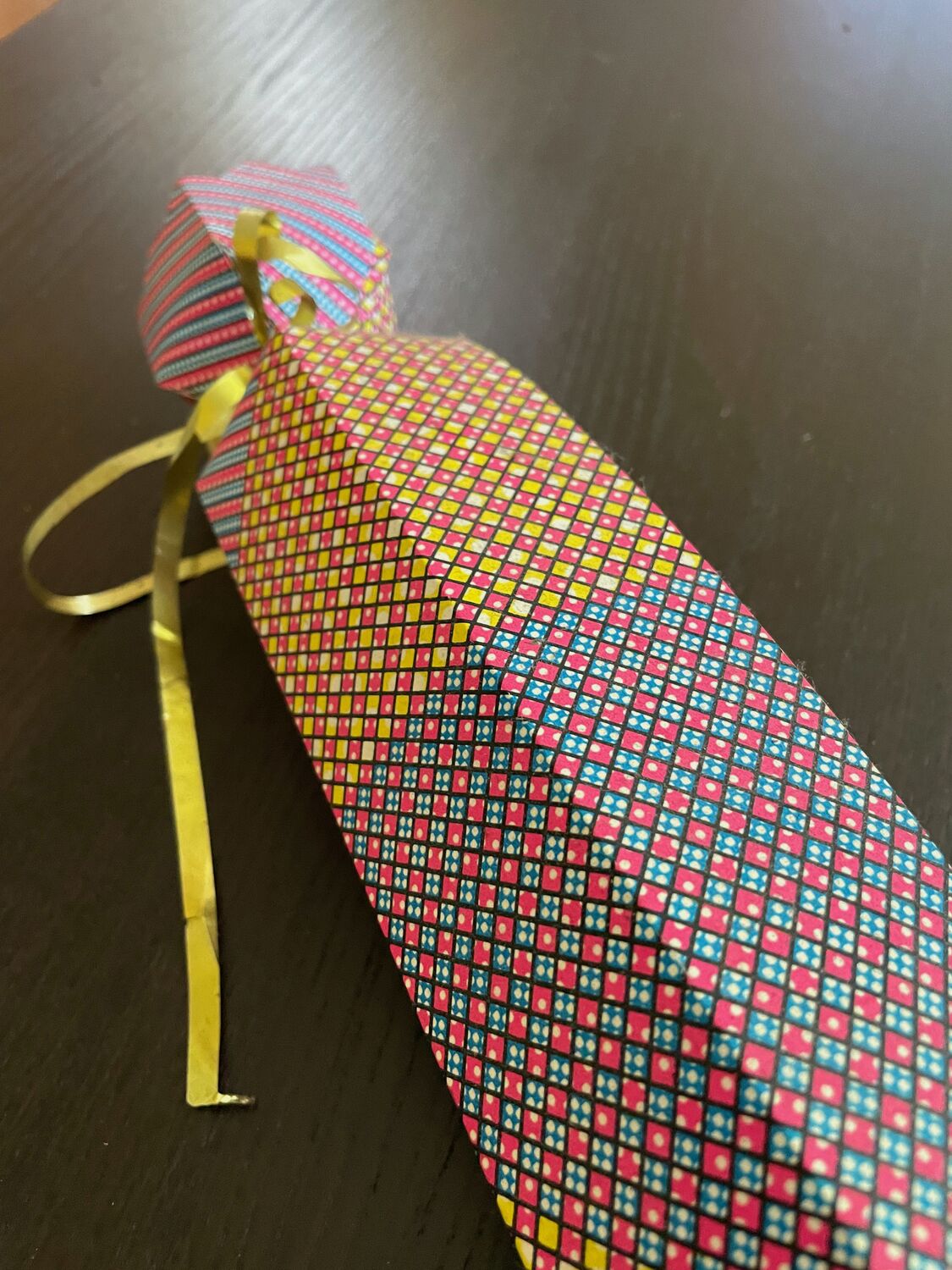
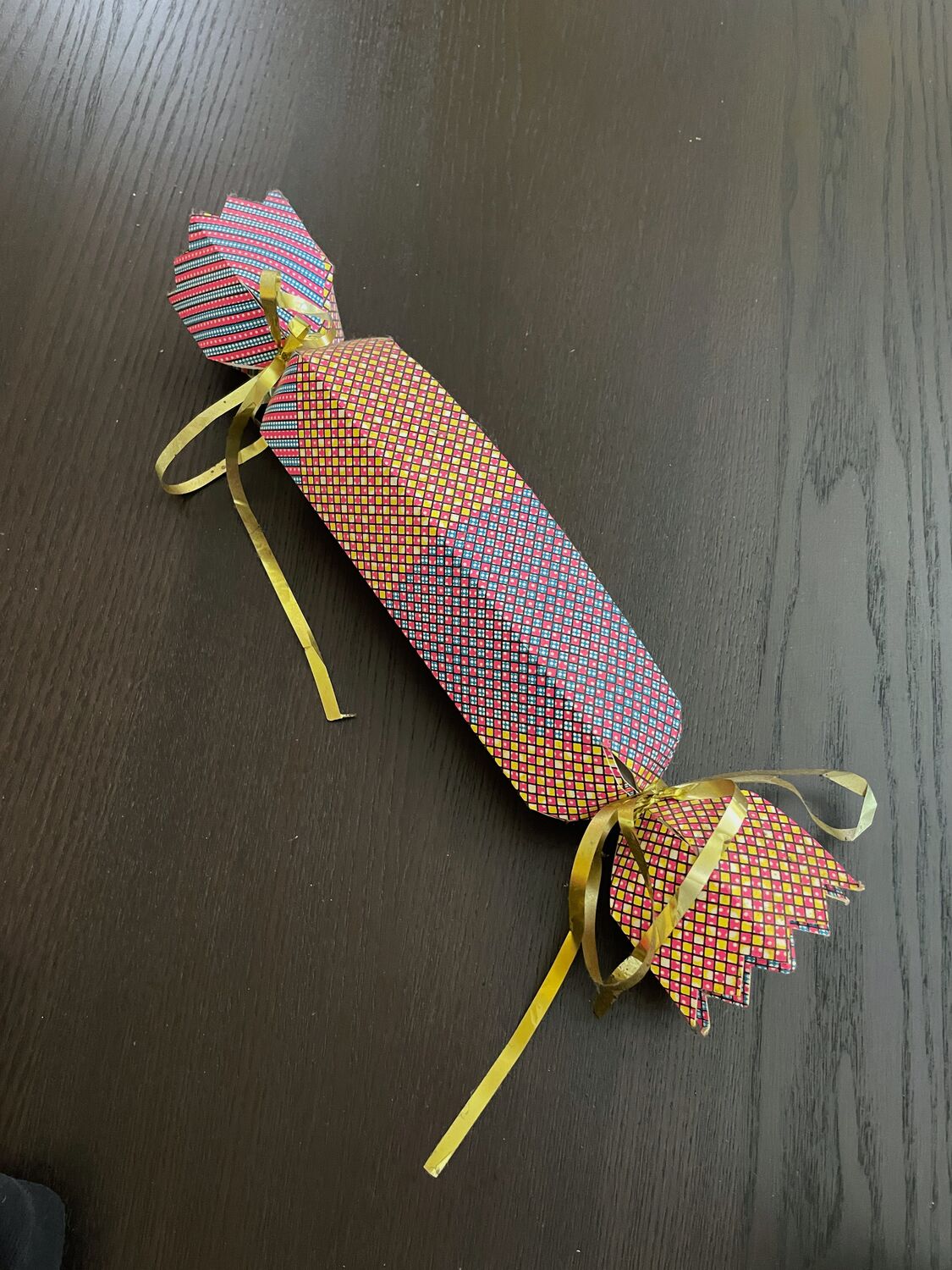
    A giant Christmas cracker made out of my own hand-printed wallpaper, the little orange-and-pink geometric dot pattern rolled up and tied off at both ends with yellow ribbon, with a little present and a paper hat tucked inside like a proper cracker. A daft, nice thing to make at the end of the year, the pattern that usually goes on a wall folded up into a party favour instead.

    Half the fun of printing your own paper is that you can turn it into anything. A roll meant for a wall becomes a cracker on a table, the same repeat doing a completely different job. It is a small festive one-off, but it is a good example of the pattern being useful rather than precious, made to be pulled apart at Christmas.

    A wallpaper cracker, Moderate Studio journal, 2019

    Part of The Pattern Works.

  • The finished M-Wagon

    The finished M-Wagon

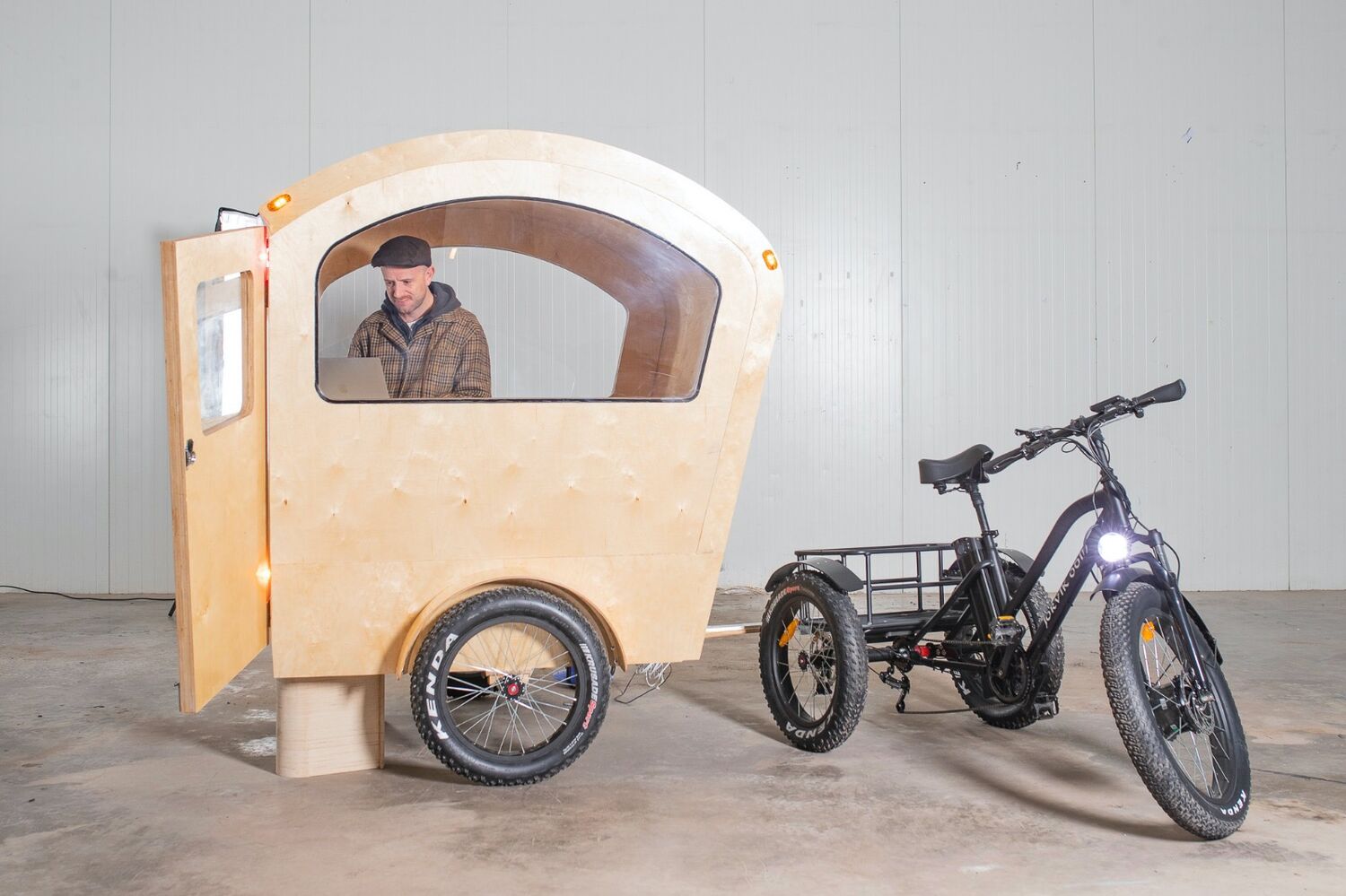
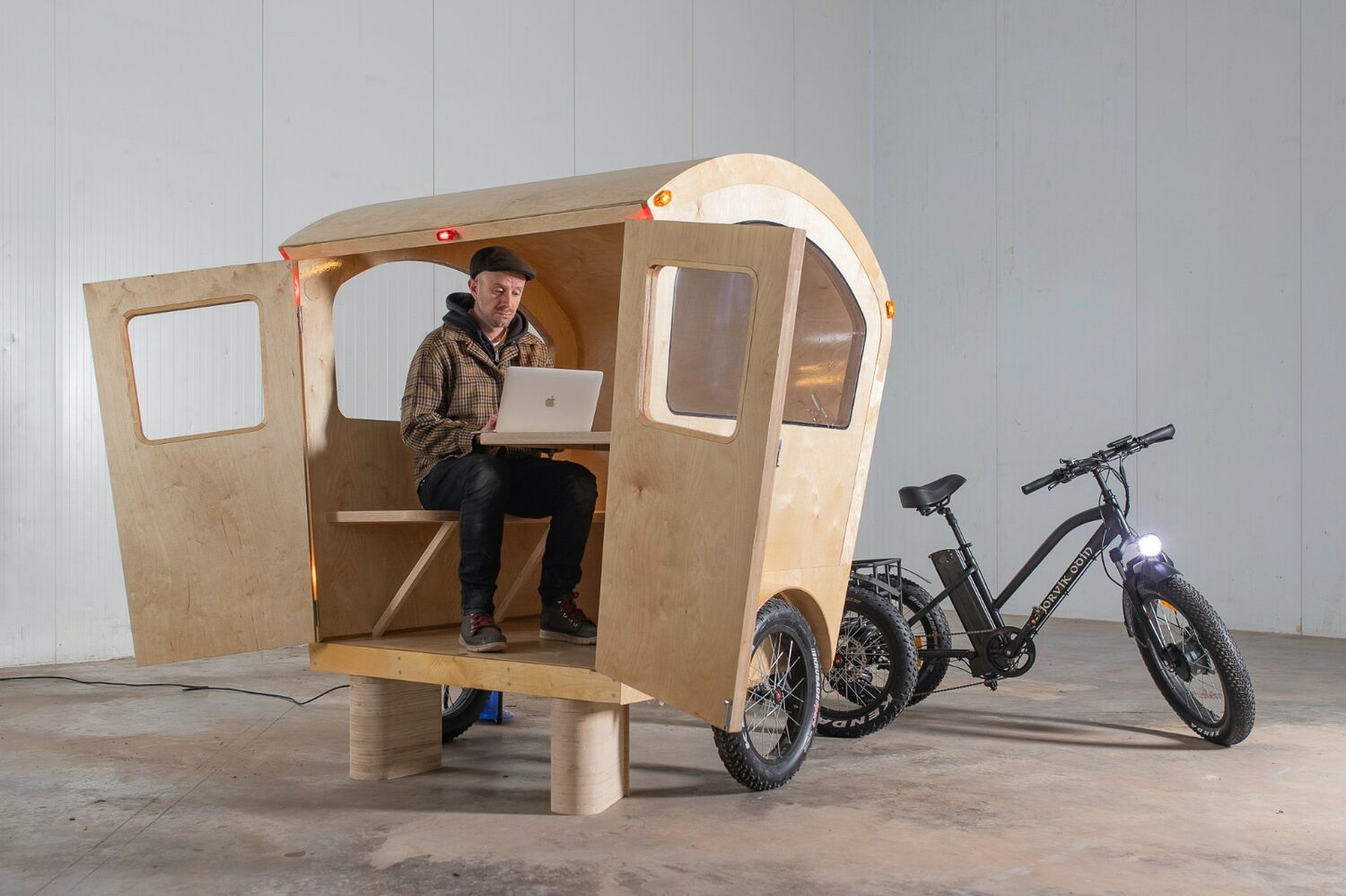
    The finished M-Wagon, photographed in the studio: a rounded plywood cabin on its own wheels, towed by an electric trike, with doors that open onto bench seating for a few people inside. Built from thin plywood and foam lamination, light enough to pull and solid enough to sit in.

    A small, human-scale piece of public art that also does a practical job, a meeting room you can ride to a street and open up. Here it is clean and empty under studio lights, before it went out to do the thing it was made for.

    The finished M-Wagon, Moderate Studio journal, 2019
    The finished M-Wagon, Moderate Studio journal, 2019

    Part of the M-Wagon case study.

  • The M-Wagon maquette

    The M-Wagon maquette

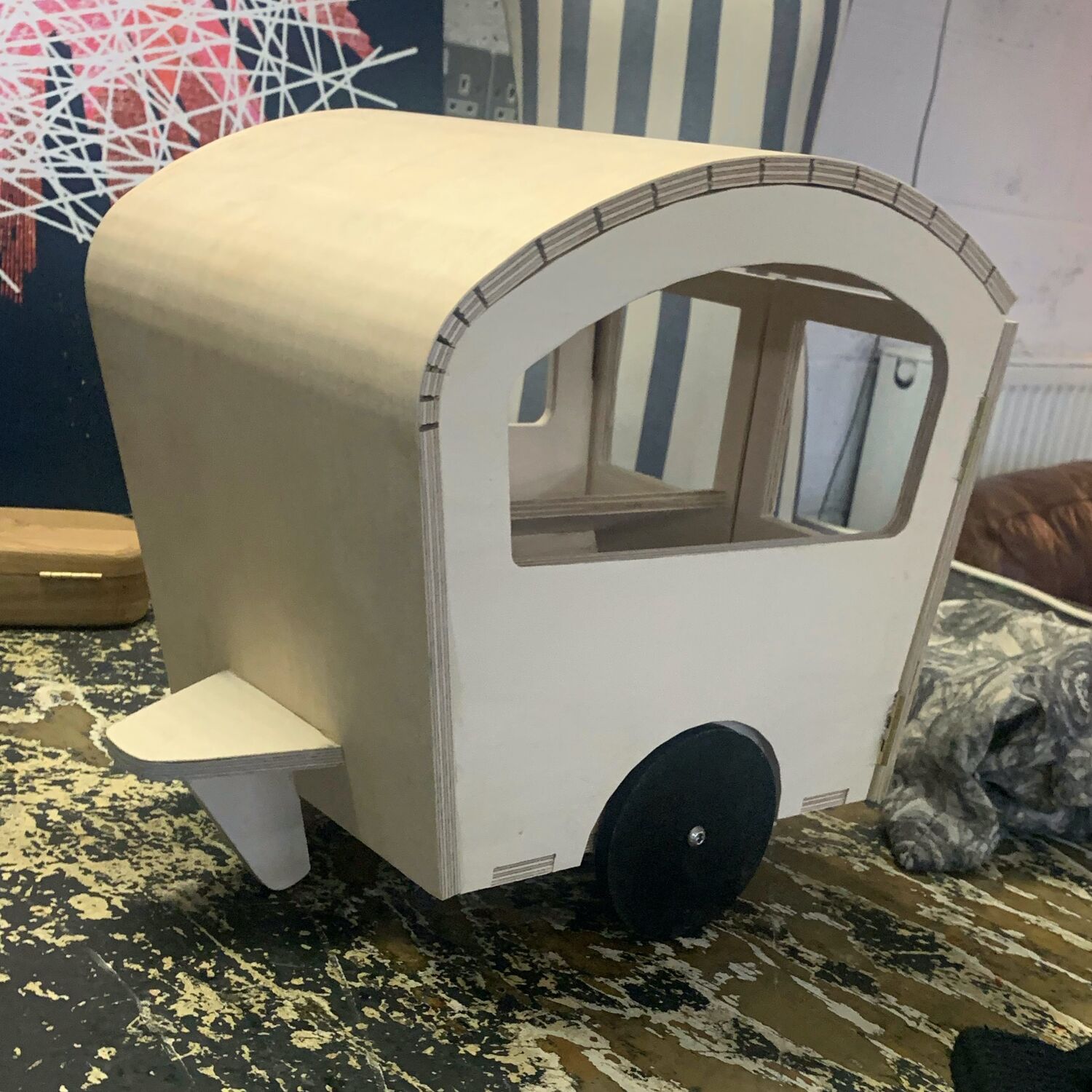
    The first M-Wagon maquette, a small model of the mobile meeting room worked up to test the shape. A rounded plywood cabin on a single wheel, small enough to sit on a table, standing in for the full thing before any of it was built.

    The M-Wagon was a commission from One Manchester housing association: a pedal-powered mobile meeting space that could travel to residents rather than waiting for them to come to it. It started, like most of these, as a little model to get the proportions right.

    Part of the M-Wagon case study.

  • The Welsh tapestry coat

    The Welsh tapestry coat

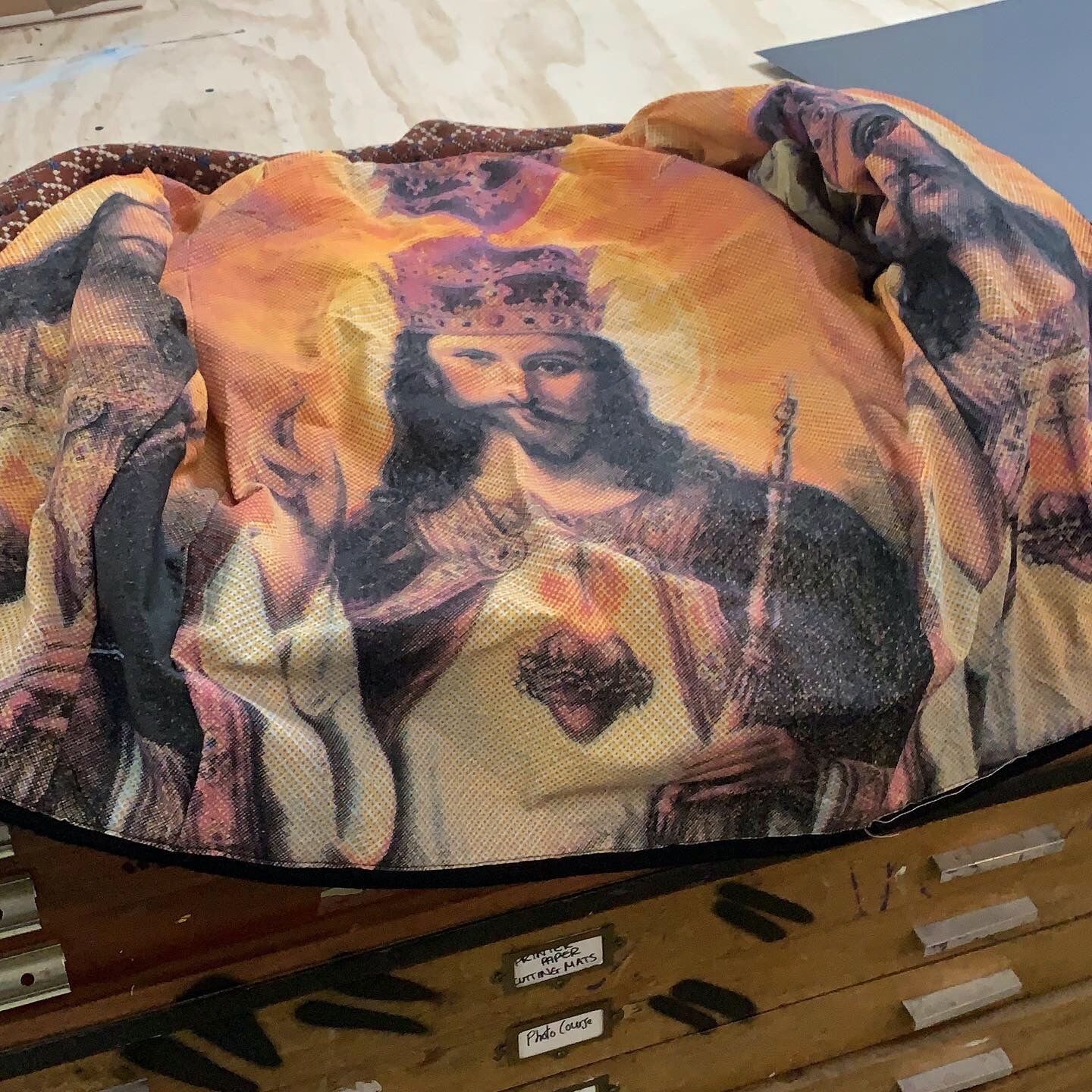
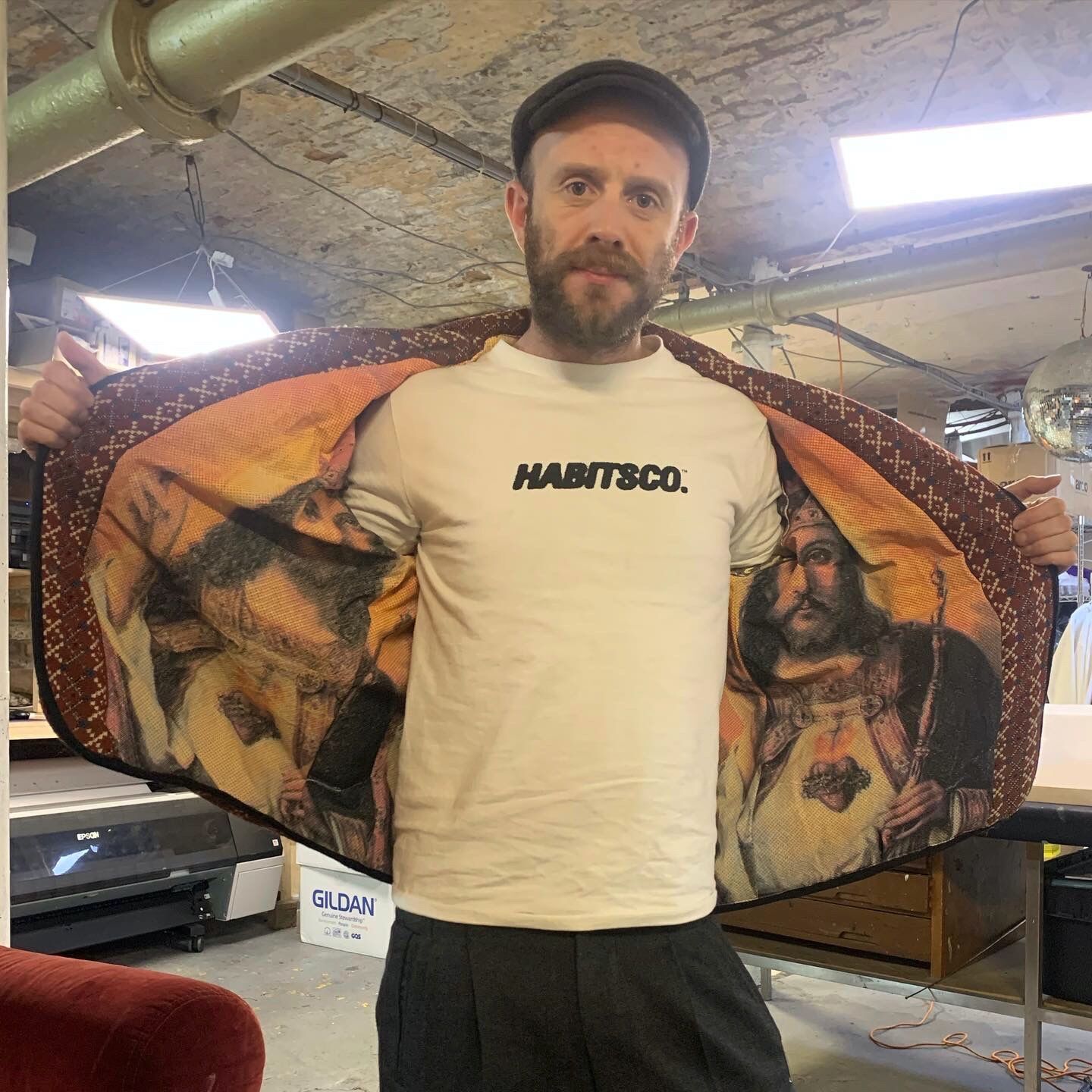
    My favourite coat, and the lining is a Jimmy Jesus print. The coat came to me sideways. I was still up from the night before, walking through the Northern Quarter, when I found a child’s Barbour jacket, no idea where from, and ended up wearing it around like something out of Nathan Barley. I went into Common for a glass of prosecco and ran into my friend Vicky Clarke, who was off to a relative’s kid’s birthday party with no present. The little Barbour was perfect for the kid, so we swapped: her Welsh tapestry coat for the child’s jacket.

    I wore the tapestry coat for years, until the liner finally wore out. Rather than replace it with anything plain, I had the Jimmy Jesus image, the layered religious print, sewn in as the new lining. So from the outside it is a heavy old Welsh tapestry coat, and inside, hidden until you open it, is the print. A coat with a whole night out and a swapped birthday present in its history, and a secret sewn into the back of it.

    The Welsh tapestry coat, Moderate Studio journal, 2019

    See also Jimmy Jesus.

  • The Dub Smugglers card

    The Dub Smugglers card

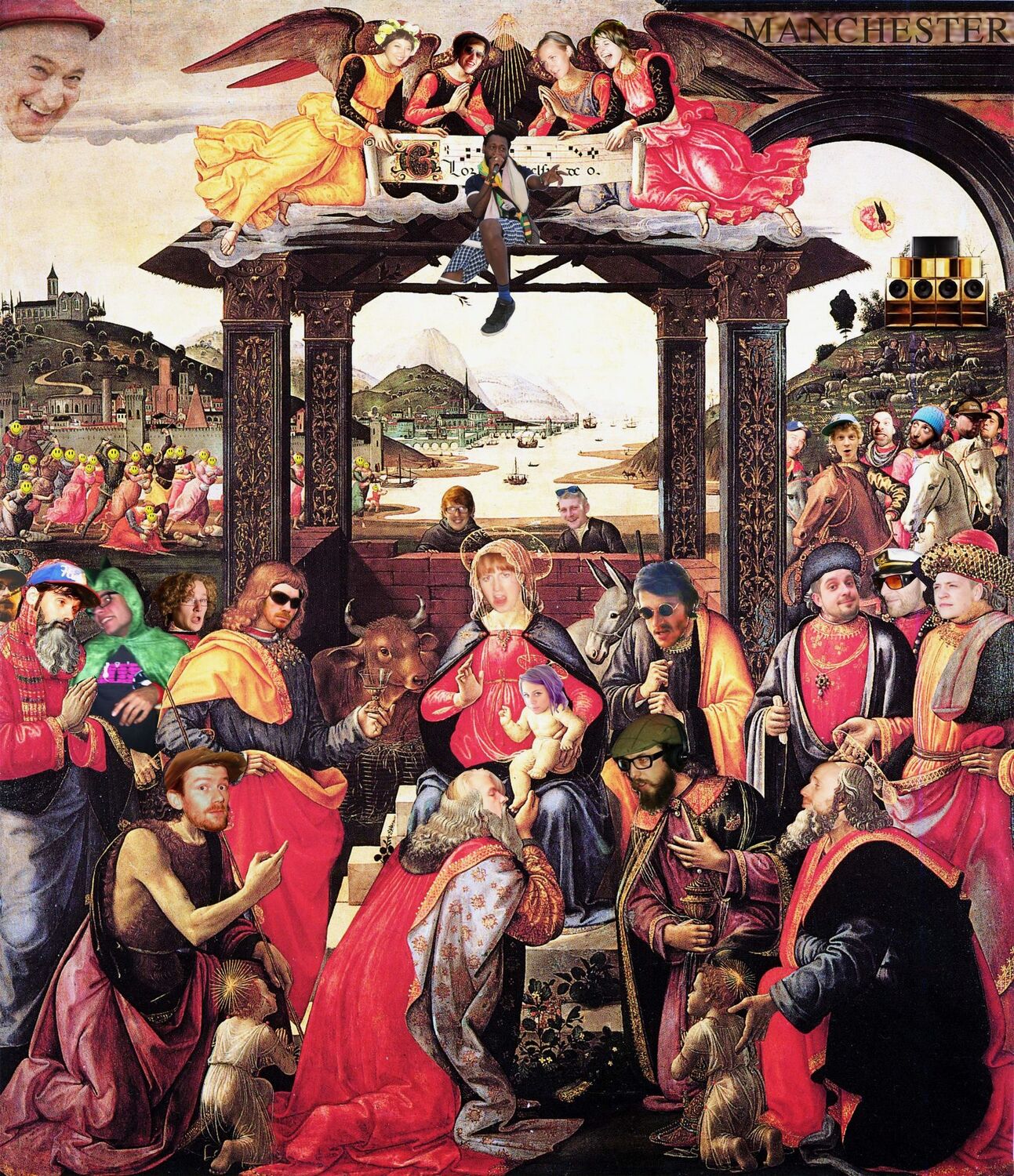
    A Christmas card designed for the Dub Smugglers, a Manchester sound system, built by taking a Renaissance nativity, an Adoration of the Magi, and quietly swapping the saints and shepherds for Manchester sound-system faces, adding a stack of speakers up in the corner where a holy light would be and the word Manchester across the sky. A proper old altarpiece, crewed by the local sound-system crowd.

    The joke only works if you do it straight, match the painting exactly and let the wrong faces do the talking, so it takes a second to notice a rig of speakers has replaced the holy light. A card like this is a good end-of-year job: no brief beyond make us laugh, and a licence to deface a masterpiece in the nicest possible way.

  • Four etched mirrors for the shop

    Four etched mirrors for the shop

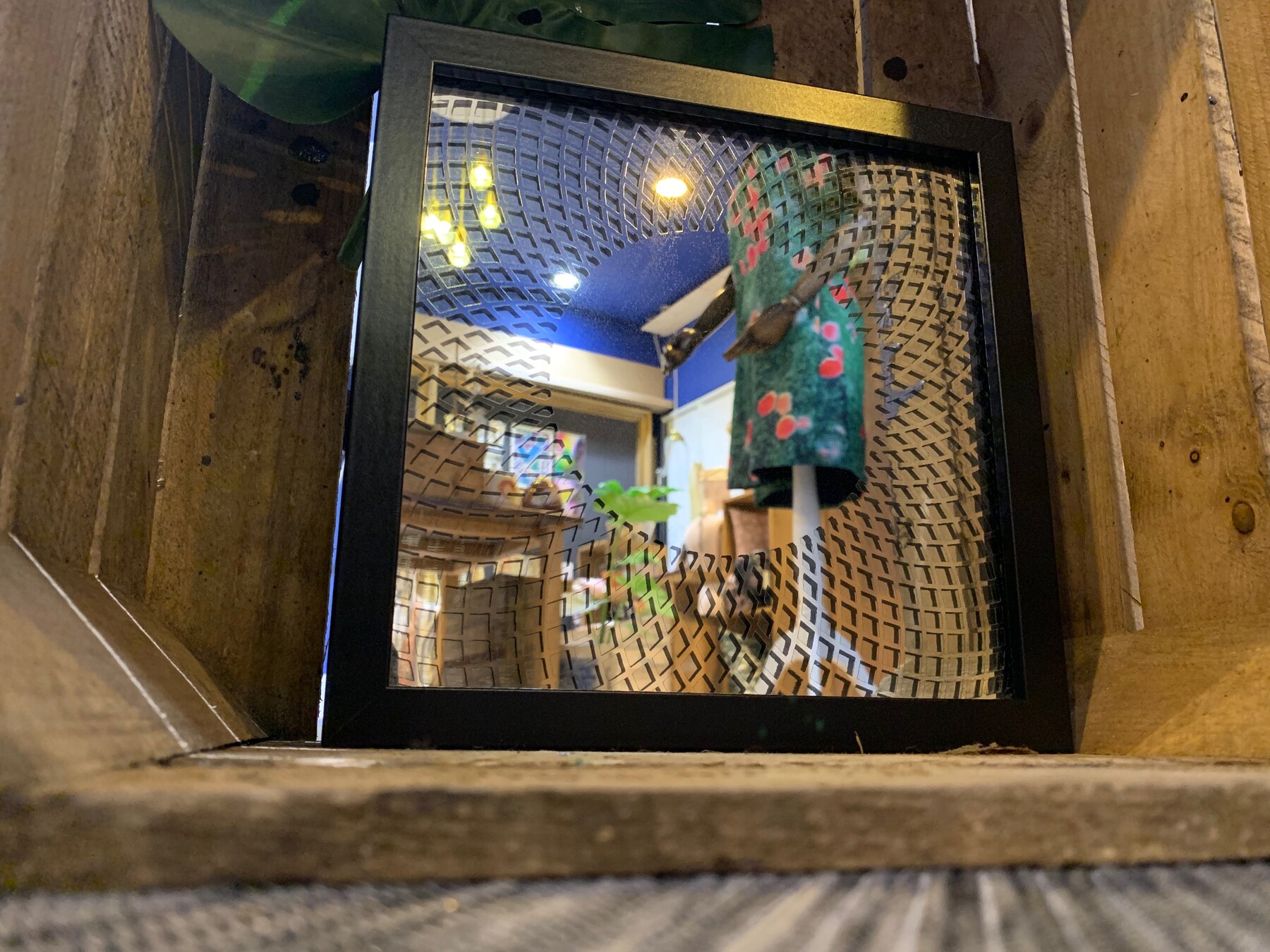
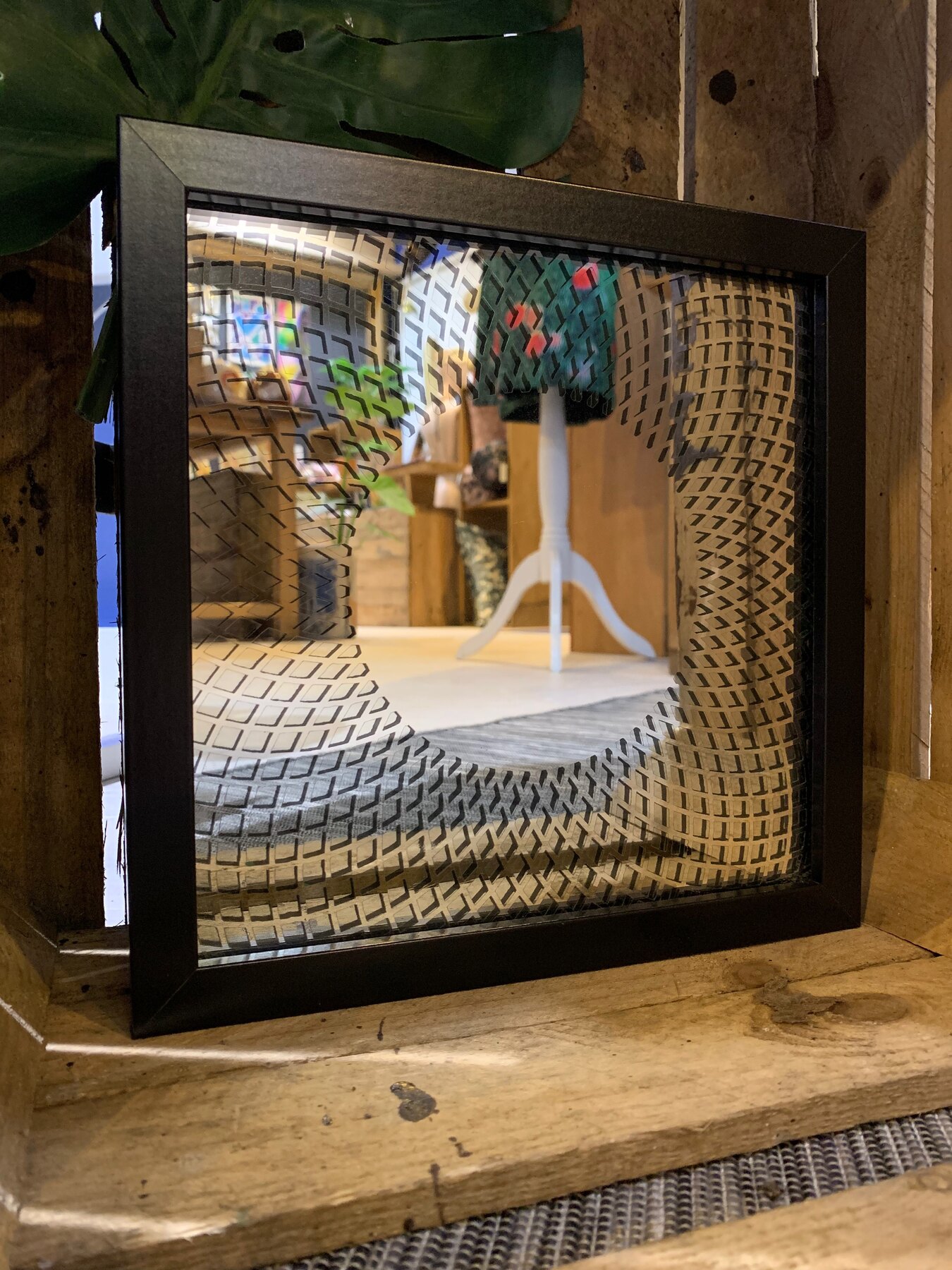
    I also made four of the etched mirrors for the shop, the concentric ripple pieces in black frames, hung on the blue wall among the plants and the other makers’ work.

    Standing in the aisle you would catch yourself in one, the shop behind you bent into rings. The mirror work and the Christmas shop met here, one more room for the pieces to reflect back at whoever walked past. Made to sell rather than exhibit, though they did both at once, the way the mirrors always seem to.

    Four etched mirrors for the shop, Moderate Studio journal, 2018
    Four etched mirrors for the shop, Moderate Studio journal, 2018

    Part of the Salford Makers Shop case study.

  • Moderate Christmas decorations

    Moderate Christmas decorations

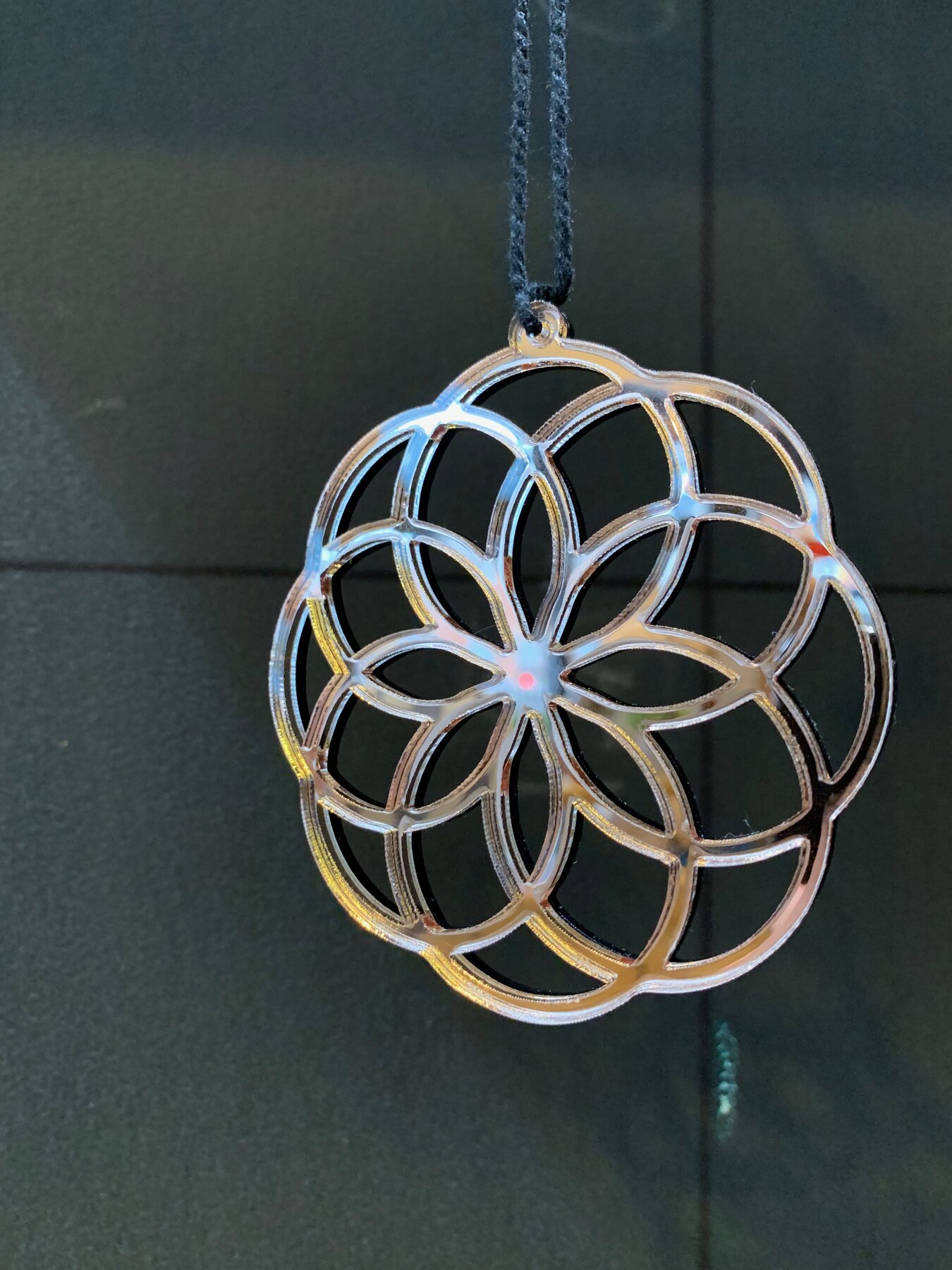
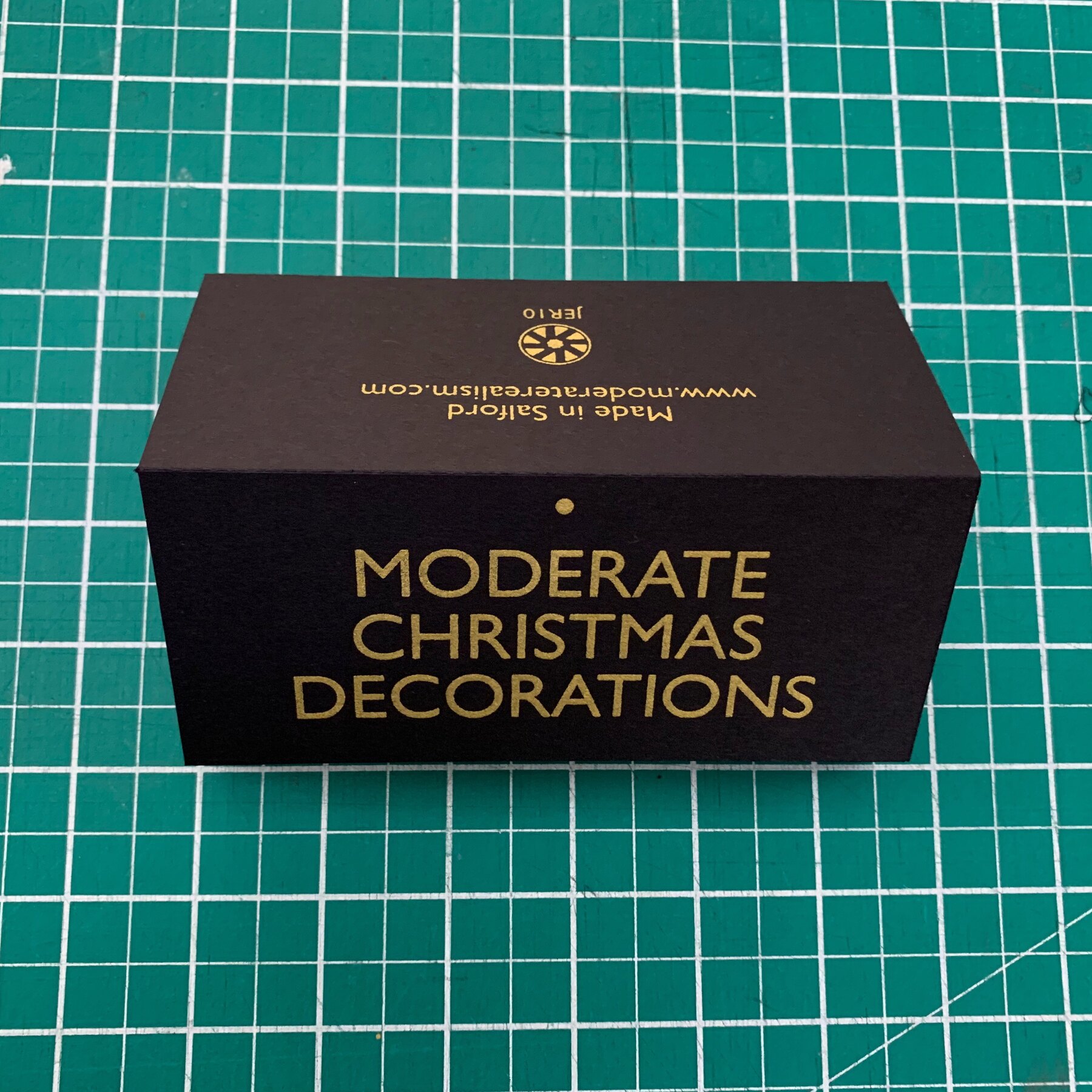
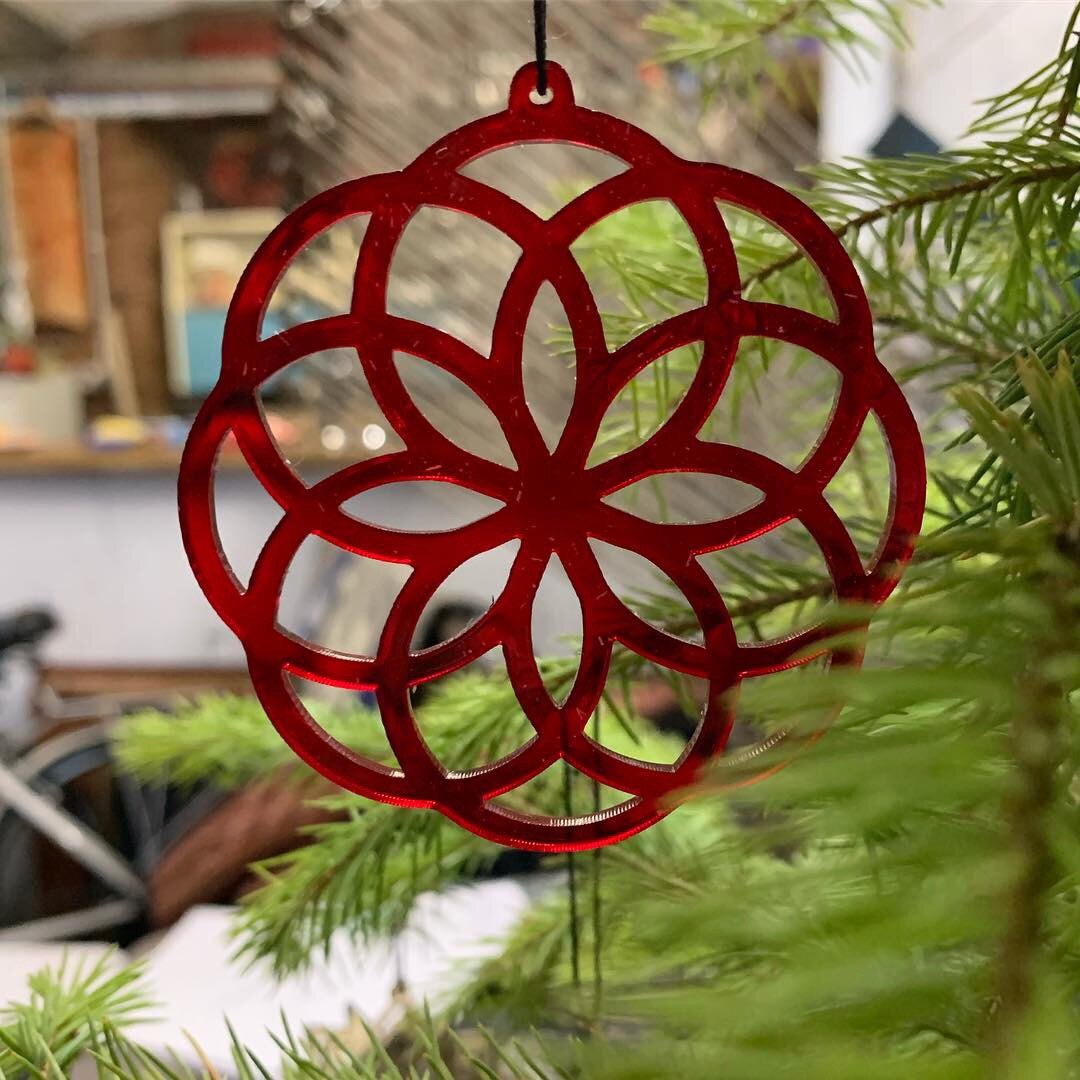
    For the Salford shop I made a product of my own: Moderate Christmas Decorations, laser-cut from acrylic into concentric flowers and stars, some clear, some in red and purple and green, hung on the tree and boxed up to sell.

    A limited edition, made for that one Christmas and not repeated. The same geometry I had been cutting into mirrors, this time cut clean through the acrylic so the pattern is the whole object rather than an image on a surface.

    Moderate Christmas decorations, Moderate Studio journal, 2018
    Moderate Christmas decorations, Moderate Studio journal, 2018

    Part of the Salford Makers Shop case study.

  • The Salford Makers shop

    The Salford Makers shop

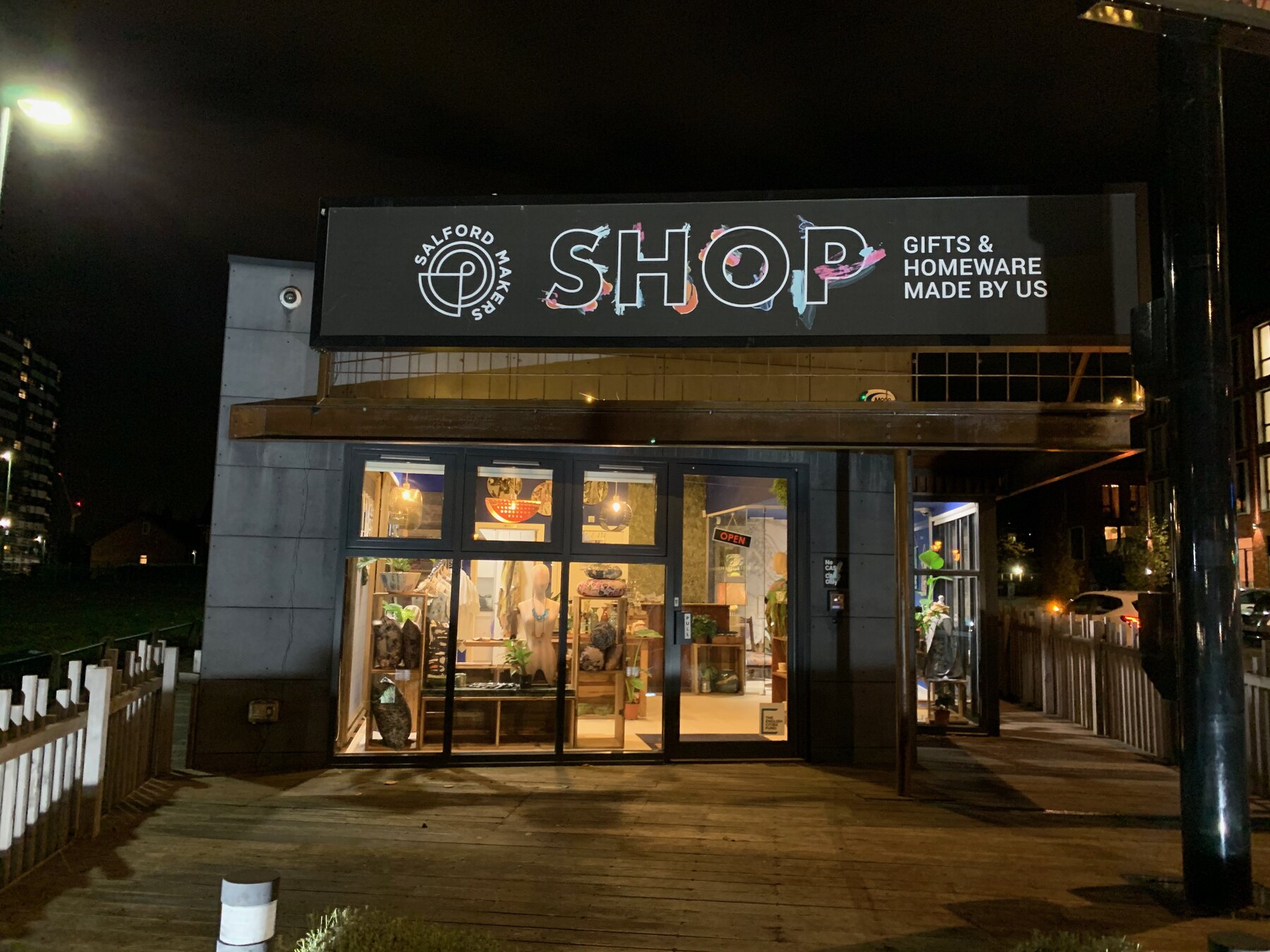
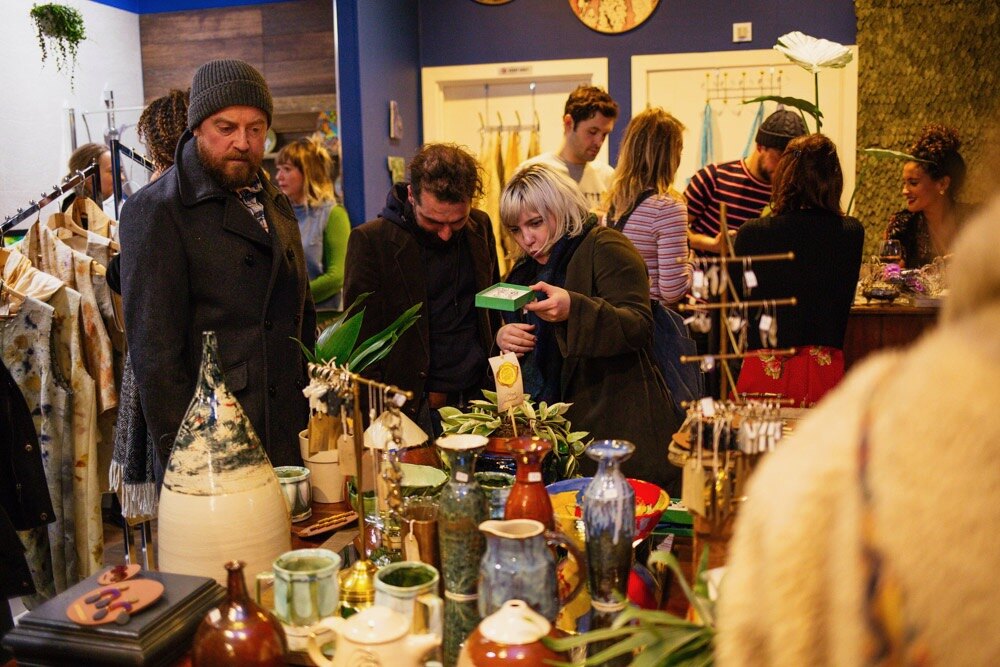
    Three years later, another Christmas shop, though not SWAG. This one was the Salford Makers shop, run by a different collective at Vimto Gardens in Salford, an empty unit taken on for one Christmas season. Different people, same idea, the way Grotto and the others had each been their own thing.

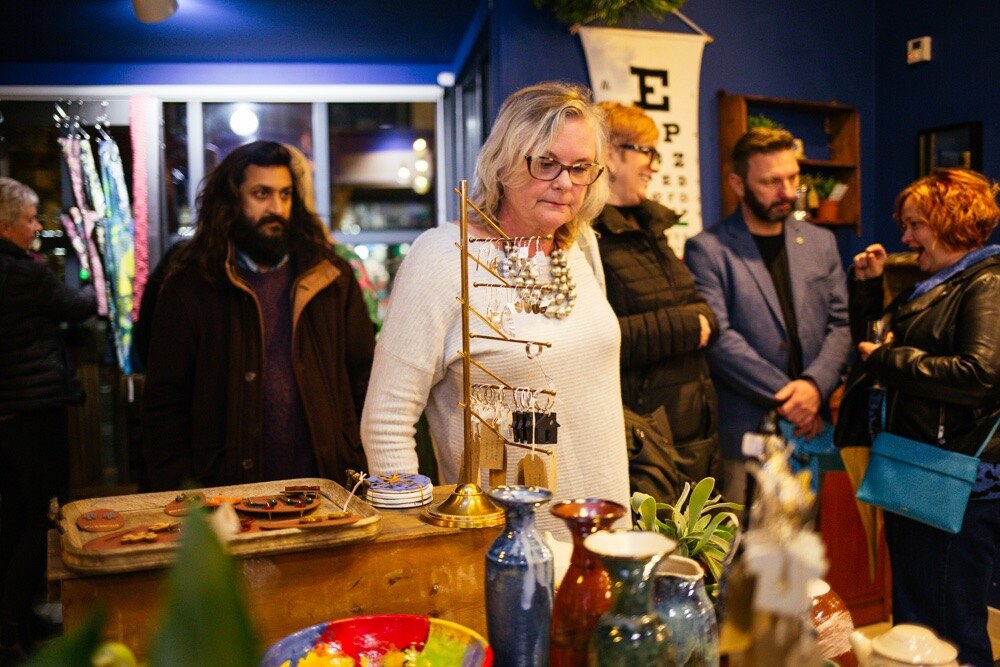
    A busy opening night, the room deep blue, full of makers’ work and full of people in coats with drinks. My work was in among everyone else’s now rather than covering the walls, which felt like the right way for it to have grown.

    The Salford Makers shop, Moderate Studio journal, 2018
    The Salford Makers shop, Moderate Studio journal, 2018

    Part of the Salford Makers Shop case study.